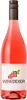
Château RasqueCuvée de Fauveris Côtes de Provence
 Red wine
This wine generally goes well with

Details and technical informations about Château Rasque's Cuvée de Fauveris Côtes de Provence.
Discover the grape variety: Moscato Bianco
Charming, aromatic whites with a pale golden robe, a luscious and slightly sparkling palate, showing intense signature aromas of muscat, rose, sage, white flowers, fresh grape and exotic fruits. A festive, delicate profile with low alcohol. The undisputed star of Asti DOCG and Moscato d'Asti DOCG in Piedmont, the signature of Italy's great muscats. The Italian synonym for Muscat Blanc à Petits Grains, one of the oldest aromatic varieties cultivated in the world.
Informations about the Château Rasque
The Château Rasque is one of of the world's great estates. It offers 19 wines for sale in the of Côtes de Provence to come and discover on site or to buy online.

The wine region of Côtes de Provence
World reference for pale, elegant rosé: salmon to onion-skin hue, notes of strawberry, pink grapefruit, white peach and flowers, fresh, dry, mineral palate, taut finish. 90% of output, the Provençal signature. Grenache, Cinsault, Syrah and native Tibouren in the blend. A few fleshy Mediterranean reds (Mourvèdre, Syrah) and saline Vermentino whites.
The wine region of Provence
World capital of dry, refined rosé (~90% of production). Pale rose-petal colour, delicate nose of fresh red fruits (strawberry, raspberry, redcurrant), citrus (pink grapefruit), white flowers and a mineral touch, taut and thirst-quenching palate — the Mediterranean aperitif par excellence. Blends of Grenache, Cinsault, Syrah, Tibouren and Mourvèdre. Fleshy Bandol reds from Mourvèdre (leather, garrigue, age-worthy), straight Cassis whites.
The word of the wine: Shiraz
See syrah.