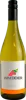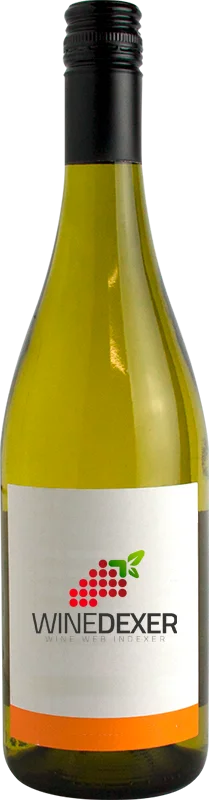
Winery Vinařství RadochaVeltlínské Zelené
 White wine



This wine generally goes well with pork, vegetarian or lean fish.

Food and wine pairings with Veltlínské Zelené
Pairings that work perfectly with Veltlínské Zelené



Original food and wine pairings with Veltlínské Zelené



The Veltlínské Zelené of Winery Vinařství Radocha matches generally quite well with dishes of pork, rich fish (salmon, tuna etc) or shellfish such as recipes of wild boar bourguignon, baked salmon mediterranean style or carne de porco alentejana (sliced pork with vongoles) recipe....
Details and technical informations about Winery Vinařství Radocha's Veltlínské Zelené.
Discover the grape variety: Cabernet-Mitos
Intensely coloured, structured reds with an almost black ink-dark robe, firm tannins and a dense palate, showing aromas of black fruits (blackberry, blackcurrant), plum, spices, violet and balsamic notes. Teinturier variety (coloured flesh) used primarily in blends to reinforce colour and structure of German reds: Württemberg, Palatinate (Pfalz) and Baden. German hybrid created in 1970 at Weinsberg (blaufränkisch × teinturier-Bouschet).
Last vintages of this wine
The best vintages of Veltlínské Zelené from Winery Vinařství Radocha are 0
Informations about the Winery Vinařství Radocha
The Winery Vinařství Radocha is one of of the world's greatest estates. It offers 17 wines for sale in the of Morava to come and discover on site or to buy online.

The wine region of Morava
Predominantly white region, lively and mineral: crisp, peppery Grüner Veltliner, taut Riesling with citrus, supple, floral Müller-Thurgau, aromatic Pálava, the local signature (muscat, white flowers). More discreet reds: spicy Frankovka (Blaufränkisch) with black fruits, fine, silky Saint Laurent. Temperate continental climate, 4 sub-regions: Mikulov, Velké Pavlovice, Znojmo, Slovácko. ~96% of the Czech vineyard, 73 grapes grown.
The word of the wine: Petite arvine
An ancient white grape variety from the Valais (Switzerland), which produces renowned wines suitable for ageing. Viney and sustained by a strong vivacity, these wines express a fine salty touch, the signature of this variety. Petite arvine wines can be dry, tender or made from withered grapes from late harvesting. Syn.: arvine.