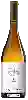
Winery Quinta do Lagar NovoReserva Arinto
 White wine


In the mouth this white wine is a .
This wine generally goes well with pork, lean fish or shellfish.

Taste structure of the Reserva Arinto from the Winery Quinta do Lagar Novo
Light | Bold | |
Dry | Sweet | |
Soft | Acidic |
In the mouth the Reserva Arinto of Winery Quinta do Lagar Novo in the region of Lisboa is a .
Food and wine pairings with Reserva Arinto
Pairings that work perfectly with Reserva Arinto



Original food and wine pairings with Reserva Arinto

The Reserva Arinto of Winery Quinta do Lagar Novo matches generally quite well with dishes of pasta, pork or shellfish such as recipes of soft and inexpensive pasta gratin, rabbit with cider and mushrooms or shrimp and cherry tomato quiche.
Details and technical informations about Winery Quinta do Lagar Novo's Reserva Arinto.
Discover the grape variety: Bargine
Simple, fresh dry whites with a pale golden robe, a supple palate with moderate acidity, and undemonstrative aromas of citrus and white flowers. Rustic, discreet profile. Preserved in a few ampelographic collections, Bargine is an ancient heritage variety with virtually no commercial presence, studied mainly for its genetic interest.
Last vintages of this wine
The best vintages of Reserva Arinto from Winery Quinta do Lagar Novo are 2013, 2017
Informations about the Winery Quinta do Lagar Novo
The Winery Quinta do Lagar Novo is one of of the world's greatest estates. It offers 8 wines for sale in the of Lisboa to come and discover on site or to buy online.

The wine region of Lisboa
Vast coastal IGP north of Lisbon, Portugal's largest producer by volume. Accessible, sun-filled reds: fruity, spicy Castelão, dense Touriga Nacional (black fruit, violet), fleshy Trincadeira, deep Alicante Bouschet. Fresh, mineral whites: straight, lemony Arinto (star of Bucelas), aromatic Fernão Pires, round Vital and Malvasia. Structured reds from Alenquer, sparkling at Óbidos.
The word of the wine: OIV
International Organisation of Vine and Wine. Intergovernmental organization studying the technical, scientific or economic questions raised by the culture of the vine and the production of wine.