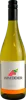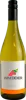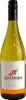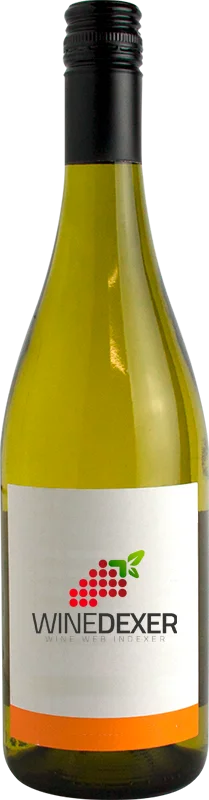
Winery Quinta do FrancesEncostas de Odelouca Branco
 White wine



This wine is a blend of 2 varietals which are the Verdelho and the Viognier.
In the mouth this white wine is a .
This wine generally goes well with pork, lean fish or shellfish.
Taste structure of the Encostas de Odelouca Branco from the Winery Quinta do Frances
Light | Bold | |
Dry | Sweet | |
Soft | Acidic |
In the mouth the Encostas de Odelouca Branco of Winery Quinta do Frances in the region of Algarve is a .
Food and wine pairings with Encostas de Odelouca Branco
Pairings that work perfectly with Encostas de Odelouca Branco



Original food and wine pairings with Encostas de Odelouca Branco

The Encostas de Odelouca Branco of Winery Quinta do Frances matches generally quite well with dishes of pasta, pork or shellfish such as recipes of pasta à la forestière (chanterelles), stuffed squid in the sétoise sauce or tagliatelle with scallops.
Discover the grape variety: Verdelho
The white Verdelho is a grape variety that originated in Portugal. It produces a variety of grape specially used for the elaboration of wine. It is rare to find this grape to eat on our tables. This variety of grape is characterized by small bunches, and grapes of medium size. The white Verdelho can be found cultivated in these vineyards: Languedoc & Roussillon, Rhone Valley, South West.
Last vintages of this wine
The best vintages of Encostas de Odelouca Branco from Winery Quinta do Frances are 0, 2008
Informations about the Winery Quinta do Frances
The Winery Quinta do Frances is one of of the world's greatest estates. It offers 10 wines for sale in the of Algarve to come and discover on site or to buy online.

The wine region of Algarve
Algarve ('the Algarve' to most English speakers) is the southernmost wine region of Portugal, and the far southwestern corner of the Iberian Peninsula. It is more widely known for its beaches and thriving tourist industry than its wines. Although a small quantity of fresh-styled white wines are made here, the wines of the Algarve are predominantly red, and made from classic Portuguese varieties like Castelão and Touriga Nacional, as well as more international varieties like Syrah. The region's wines are produced largely by a by a small number of upscale co-operatives, although the fashion for independent producers is catching on quickly.
The word of the wine: Harvesting and handling
In Champagne, a winegrower who makes his own vintages exclusively from grapes grown on his own property.