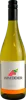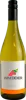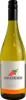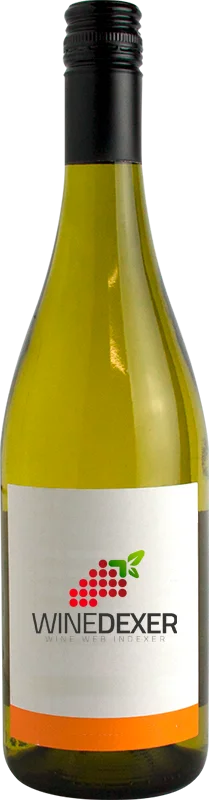
Winery PaxáViognier
 White wine


In the mouth this white wine is a powerful.
This wine generally goes well with pork, lean fish or shellfish.
The Viognier of the Winery Paxá is in the top 40 of wines of Algarve.

Taste structure of the Viognier from the Winery Paxá
Light | Bold | |
Dry | Sweet | |
Soft | Acidic |
In the mouth the Viognier of Winery Paxá in the region of Algarve is a powerful.
Food and wine pairings with Viognier
Pairings that work perfectly with Viognier



Original food and wine pairings with Viognier

The Viognier of Winery Paxá matches generally quite well with dishes of pasta, pork or shellfish such as recipes of pasta with artichoke hearts and bacon, alsatian sauerkraut or shrimp in hot sauce from cathylou.
Details and technical informations about Winery Paxá's Viognier.
Discover the grape variety: Viognier
Opulent, heady whites, rich and silky, with intense aromas of apricot, yellow peach, mango, violet, honeysuckle and musky, honeyed notes. Discreet acidity, creamy finish. Star of Condrieu AOC and Château-Grillet AOC, co-vinified in Côte-Rôtie with Syrah (up to 20%). Widely exported to California (Central Coast), Australia (Eden Valley) and Languedoc. A Rhône variety.
Last vintages of this wine

The best vintages of Viognier from Winery Paxá are 2017, 2016, 2018
Informations about the Winery Paxá
The Winery Paxá is one of of the world's greatest estates. It offers 16 wines for sale in the of Algarve to come and discover on site or to buy online.

The wine region of Algarve
Region of southernmost Portugal between Atlantic and serra, ~3,000 hours of sun/year. Negra Mole as a native red signature (~75%): light and accessible with signature notes of red cherry, raspberry, ripe plum, Mediterranean herbs and a spicy touch, fine tannins — easy-drinking southern style. Supple Castelao, spicy Trincadeira, dense Touriga Nacional, sunny Syrah. Whites Siria, Malvasia Fina (yellow fruits, flowers), taut Arinto.
The word of the wine: Extraction
All the methods (pumping over, punching down) that allow the colour and tannins to be extracted from the grape skin during maceration, before fermentation begins. It is also possible to macerate after fermentation, but gently, so as not to extract the tannins from the seeds, which are greener. Because of its solvent power, alcohol favours extraction.