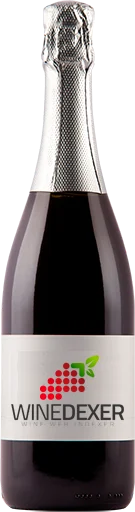
Winery EncontroBruto
 Sparkling wine



This wine generally goes well with
Wine flavors and olphactive analysis

Details and technical informations about Winery Encontro's Bruto.
Discover the grape variety: Muskat Oliver
Obtained in Hungary in 1930 by Pal Kocsis by crossing the pozsonyi fehér (pressburger or white presbourg) and the pearl of Csaba. This double-ended variety is found in Hungary, Ukraine, Russia, the Slovak Republic (small Carpathians), the Czech Republic (Moravia), etc. It is virtually unknown in France.
Last vintages of this wine
The best vintages of Bruto from Winery Encontro are 2014, 2015, 2010, 2008 and 0.
Informations about the Winery Encontro
The Winery Encontro is one of of the world's greatest estates. It offers 18 wines for sale in the of Bairrada to come and discover on site or to buy online.

The wine region of Bairrada
The wine region of Bairrada is located in the region of Beiras of Portugal. Wineries and vineyards like the Domaine Colinas de São Lourenço or the Domaine Cantanhede produce mainly wines red, sparkling and white. The most planted grape varieties in the region of Bairrada are Baga, Touriga nacional and Chardonnay, they are then used in wines in blends or as a single variety. On the nose of Bairrada often reveals types of flavors of non oak, honeysuckle or ripe strawberries and sometimes also flavors of white pepper, oil or gooseberry.
The wine region of Beiras
Beiras (Beira) is a traditional administrative region in the northern half of Portugal. It is also the name of the IGP, or Indicacoes Geograficas Protegidas, wine classification (formerly known as Vinho Regional) which covers the region as a whole. A wide range of wines are made in Beiras – red wines from the region are typically Rich, deeply colored wines made from Baga, Castelão, Rufete (Tinto Pinheira), Merlot, Cabernet Sauvignon, Syrah and Touriga Nacional, and are sometimes fortified to emulate their more famous Oporto cousins. Whites are most often based on Fernão Pires and Bical, the latter being a small-berried variety with the affectionate nickname Borrado das Moscaos ('fly droppings').
The word of the wine: Disgorging (champagne)
This is the evacuation of the deposit formed by the yeasts during the second fermentation in the bottle, by opening the bottle. The missing volume is completed with the liqueur de dosage - a mixture of wine and cane sugar - before the final cork is placed. For some years now, some producers have been replacing this sugar with rectified concentrated musts (concentrated grape juice) which give excellent results. A too recent dosage (less than three months) harms the gustatory harmony of the champagne.