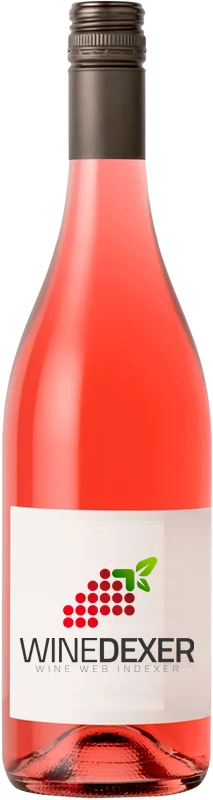
Winery Quinta do CarneiroPactus Pinot Grigio Rosé
 Pink wine
This wine generally goes well with poultry, veal or shellfish.

Food and wine pairings with Pactus Pinot Grigio Rosé
Pairings that work perfectly with Pactus Pinot Grigio Rosé



Original food and wine pairings with Pactus Pinot Grigio Rosé
The Pactus Pinot Grigio Rosé of Winery Quinta do Carneiro matches generally quite well with dishes of veal, shellfish or poultry such as recipes of duck with orange, lobster barbecue or pierogi ruskie (with cheese).
Details and technical informations about Winery Quinta do Carneiro's Pactus Pinot Grigio Rosé.
Discover the grape variety: Siegerrebe
Aromatic, opulent whites with a golden robe, ample palate and moderate acidity, showing intense, signature aromas of muscat, rose, lychee, mango, ripe yellow fruits (peach, apricot) and white flowers evoking gewürztraminer. Often vinified off-dry or sweet. Grown in Germany (Rheinhessen, Pfalz), England, British Columbia and the American Pacific Northwest. German hybrid created in 1929 by Georg Scheu at Alzey (madeleine angevine × gewürztraminer).
Informations about the Winery Quinta do Carneiro
The Winery Quinta do Carneiro is one of of the world's great estates. It offers 20 wines for sale in the of Lisboa to come and discover on site or to buy online.

The wine region of Lisboa
Vast coastal IGP north of Lisbon, Portugal's largest producer by volume. Accessible, sun-filled reds: fruity, spicy Castelão, dense Touriga Nacional (black fruit, violet), fleshy Trincadeira, deep Alicante Bouschet. Fresh, mineral whites: straight, lemony Arinto (star of Bucelas), aromatic Fernão Pires, round Vital and Malvasia. Structured reds from Alenquer, sparkling at Óbidos.
The word of the wine: Lamb's lettuce
Characteristic of fleshy and consistent wines giving the impression of being chewed.