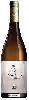
Winery Quinta da AlornaSauvignon Blanc
 White wine



In the mouth this white wine is a .
This wine generally goes well with pork, lean fish or shellfish.
The Sauvignon Blanc of the Winery Quinta da Alorna is in the top 40 of wines of Tejo.
Taste structure of the Sauvignon Blanc from the Winery Quinta da Alorna
Light | Bold | |
Dry | Sweet | |
Soft | Acidic |
In the mouth the Sauvignon Blanc of Winery Quinta da Alorna in the region of Tejo is a .
Wine flavors and olphactive analysis


On the nose the Sauvignon Blanc of Winery Quinta da Alorna in the region of Tejo often reveals types of flavors of citrus fruit, floral.
Food and wine pairings with Sauvignon Blanc
Pairings that work perfectly with Sauvignon Blanc



Original food and wine pairings with Sauvignon Blanc

The Sauvignon Blanc of Winery Quinta da Alorna matches generally quite well with dishes of pasta, pork or shellfish such as recipes of chinese fried shrimp ravioli, coconut from paimpol or lamb with okra sauce.
Details and technical informations about Winery Quinta da Alorna's Sauvignon Blanc.
Discover the grape variety: Durize
A very old variety, certainly originating from the Aosta Valley (Italy). According to published genetic analyses, it is directly related to the roussin and is the granddaughter of the cornalin from Valais. Nowadays, it is mainly cultivated in Switzerland and is practically endangered.
Last vintages of this wine
The best vintages of Sauvignon Blanc from Winery Quinta da Alorna are 2019, 2017, 0, 2015 and 2018.
Informations about the Winery Quinta da Alorna
The Winery Quinta da Alorna is one of of the world's greatest estates. It offers 64 wines for sale in the of Tejo to come and discover on site or to buy online.

The wine region of Tejo
Tejo is a wine region in CentralPortugal which covers the same area as the Ribatejo province, just inland from the major city of Lisbon. The wine appellation's name was changed from Ribatejo in 2009. The entire region may use the Tejo VR (Vinho Regional) designation, similar to the French IGP/Vin de Pays, while some areas produce wines labeled with the higher-level Do Tejo DOC (Denominação de Origem Controlada). A Warm, Dry area, it is also Portugal's only landlocked region – although it is influenced considerably by the Tejo river.
The word of the wine: Phylloxera
Aphid that came from America and ravaged European vineyards at the end of the 19th century. It lives on the roots of the vine, from which it pumps the sap. The only vines capable of resisting it had to be imported from the United States, and then grafted onto their root system the wood of traditional French grape varieties. Today, grafted vines are always planted.