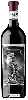
Winery Las QuinceRioja Garnacha
 Red wine


In the mouth this red wine is a powerful.
This wine generally goes well with poultry, beef or game (deer, venison).

Taste structure of the Rioja Garnacha from the Winery Las Quince
Light | Bold | |
Smooth | Tannic | |
Dry | Sweet | |
Soft | Acidic |
In the mouth the Rioja Garnacha of Winery Las Quince in the region of Rioja is a powerful.
Food and wine pairings with Rioja Garnacha
Pairings that work perfectly with Rioja Garnacha



Original food and wine pairings with Rioja Garnacha


The Rioja Garnacha of Winery Las Quince matches generally quite well with dishes of beef, pasta or lamb such as recipes of chili con carne, light lasagne without béchamel sauce or moussaka with spices.
Details and technical informations about Winery Las Quince's Rioja Garnacha.
Discover the grape variety: Durize
Structured, fresh reds with a sustained purple robe, firm tannins and an ample palate with preserved acidity, showing signature aromas of red fruits (cherry), spices and fresh alpine notes. Modest ageing profile. Preserved for its heritage value in the Valais vineyards, contributing to artisan high-altitude cuvées produced by a few growers dedicated to rare varieties. Swiss autochthonous black grape from Valais, grown in negligible quantities.
Last vintages of this wine
The best vintages of Rioja Garnacha from Winery Las Quince are 0, 2013
Informations about the Winery Las Quince
The Winery Las Quince is one of of the world's greatest estates. It offers 3 wines for sale in the of Rioja to come and discover on site or to buy online.

The wine region of Rioja
Star of great Spanish reds: signature Tempranillo, elegant and complex, with notes of ripe cherry, plum, leather, vanilla and tobacco from American oak ageing. Classification by age: fruity Joven, balanced Crianza, ample Reserva, deep, silky Gran Reserva (5 years, 2 in barrel). Some fresh Viura whites and generous rosés. Spain's first DOCa (1991), 3 sub-zones (Alta, Alavesa, Oriental), 93.
The word of the wine: Vitis vinifera
The main species of vine cultivated in Europe and throughout the world, the origin of most of the great grape varieties.