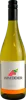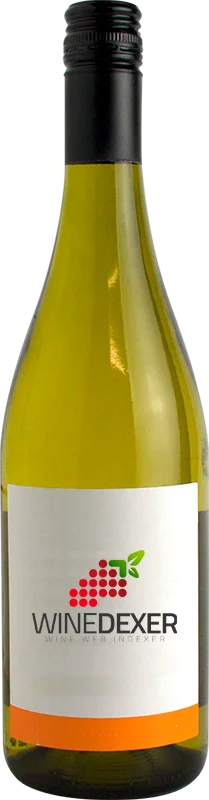
Winery LambruscoLambrusco
 White wine


In the mouth this white wine is a .
This wine generally goes well with pork, lean fish or shellfish.
Taste structure of the Lambrusco from the Winery Lambrusco
Light | Bold | |
Dry | Sweet | |
Soft | Acidic |
In the mouth the Lambrusco of Winery Lambrusco in the region of Península de Setúbal is a .
Food and wine pairings with Lambrusco
Pairings that work perfectly with Lambrusco



Original food and wine pairings with Lambrusco

The Lambrusco of Winery Lambrusco matches generally quite well with dishes of pasta, pork or shellfish such as recipes of spaghetti with homemade pesto, spaghetti carbonara or spaghetti with clams.
Details and technical informations about Winery Lambrusco's Lambrusco.
Discover the grape variety: Marzemino
A very old variety grown in northern Italy and recently in Sardinia. It can also be found in Greece, New Zealand, etc. In France it is practically unknown. It is most certainly related to Teroldego and Refosco dal Pedunculo Rosso and is said to be the brother of Lagrein, all three Italian varieties. It is also related to completer.
Last vintages of this wine
The best vintages of Lambrusco from Winery Lambrusco are 1998, 0
Informations about the Winery Lambrusco
The Winery Lambrusco is one of of the world's greatest estates. It offers 1 wines for sale in the of Setúbal to come and discover on site or to buy online.

The wine region of Setúbal
The wine region of Setúbal is located in the region of Península de Setúbal of Portugal. Wineries and vineyards like the Domaine José Maria da Fonseca or the Domaine Horácio Simões produce mainly wines red, natural sweet and white. The most planted grape varieties in the region of Setúbal are Touriga nacional, Fernao Pires and Cabernet-Sauvignon, they are then used in wines in blends or as a single variety. On the nose of Setúbal often reveals types of flavors of orange, coffee or toasty and sometimes also flavors of clove, pear or lemon.
The wine region of Península de Setúbal
Setúbal Peninsula (also known as Península de Setúbal) is the Portuguese wine region immediately southeast of Lisbon, across the Tejo estuary. The Terroir in the area ranges from sandy coastal plains to the craggy, limestone-rich Serra Arribida hills. The area is known for its Dry red wines made from Castelão, and for its fortified wines and Sweet Moscatel de Setúbal. The wines produced here are made under three titles: two DOCs, Palmela and Setúbal, and one IGP.
The word of the wine: Cooperative cellar
A collective production structure to which winegrowers belong in order to pool their grapes, transform them into wine and ensure its marketing.