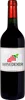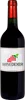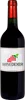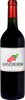
Winery EnigmaColheita Seleccionada Tinto
 Red wine


In the mouth this red wine is a powerful with a nice freshness.
This wine generally goes well with poultry, beef or veal.
Taste structure of the Colheita Seleccionada Tinto from the Winery Enigma
Light | Bold | |
Smooth | Tannic | |
Dry | Sweet | |
Soft | Acidic |
In the mouth the Colheita Seleccionada Tinto of Winery Enigma in the region of Alentejano is a powerful with a nice freshness.
Food and wine pairings with Colheita Seleccionada Tinto
Pairings that work perfectly with Colheita Seleccionada Tinto



Original food and wine pairings with Colheita Seleccionada Tinto

The Colheita Seleccionada Tinto of Winery Enigma matches generally quite well with dishes of beef, lamb or veal such as recipes of shepherd's pie (quebec!), lamb collar with mustard or pork tenderloin with onions.
Details and technical informations about Winery Enigma's Colheita Seleccionada Tinto.
Discover the grape variety: Bicane
We do not know exactly its origin. It has been used as a genitor to obtain new varieties, Pirovano's Italia in 1911 is a proud example. Today, it is no longer multiplied in nurseries and is therefore in danger of extinction.
Last vintages of this wine
The best vintages of Colheita Seleccionada Tinto from Winery Enigma are 2012, 2015, 2014, 2013 and 2011.
Informations about the Winery Enigma
The Winery Enigma is one of of the world's greatest estates. It offers 9 wines for sale in the of Alentejano to come and discover on site or to buy online.

The wine region of Alentejano
Tejo">Alentejo is a well-known, highly respected wine region in eastern Portugal. This hot, Dry area covers approximately a third of the country and is best known for its red wine, the best of which are sold under the and Alentejo DOC (Denominacao de Origem Controlada) title. Wine from Alentejo is typically made from Aragonez (Tempranillo), Castelao, Trincadeira or a Rich, ripe, jammy blend of the three. Antao Vaz is the white variety of choice here, producing a good level of Acidity and tropical fruit flavors.
The word of the wine: Density per hectare
Number of vines per hectare. For the same yield, a vine planted with 3,000 vines per hectare bears many more bunches (per vine) than a vine planted with 10,000. The grapes will therefore be less rich in sugar and polyphenols (tannins, aromas...).