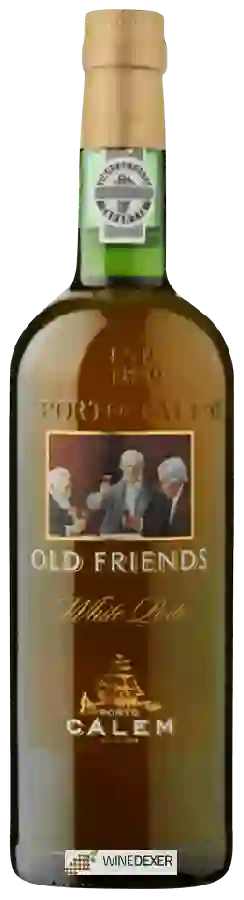
Winery CálemPorto White Old Friends
 Natural sweet wine



This wine generally goes well with

Wine flavors and olphactive analysis


On the nose the Porto White Old Friends of Winery Cálem in the region of Duriense often reveals types of flavors of non oak, earth or oak and sometimes also flavors of tree fruit, tropical fruit.
Details and technical informations about Winery Cálem's Porto White Old Friends.
Discover the grape variety: Calitor
Light, airy reds with a pale, lightly coloured ruby robe, supple tannins and a light palate with moderate acidity, featuring discreet aromas of red fruits and Provençal garrigue notes. Low alcohol. Late-ripening (35 days after Chasselas). Historically recommended in the Vaucluse and the Var, now nearly extinct and preserved in a few Provençal heritage plots. Autochthonous Provençal black variety, once widespread in south-eastern France.
Last vintages of this wine
The best vintages of Porto White Old Friends from Winery Cálem are 2011, 0
Informations about the Winery Cálem
The Winery Cálem is one of of the world's great estates. It offers 47 wines for sale in the of Porto to come and discover on site or to buy online.

The wine region of Porto
One of the world's oldest fortified wines: fortified with grape spirit during fermentation, keeping its residual sugars. Opulent style, long on the palate, notes of candied black fruits, cocoa, fig, walnut, coffee and spices. Four styles: young fruity Ruby (cherry, blackberry), Tawny aged oxidatively in cask (caramel, hazelnut, bitter orange), age-worthy LBV and Vintage, White as aperitif. Grapes: Touriga Nacional, Touriga Franca, Tinta Roriz.
The wine region of Duriense
Portuguese IGP covering the Douro and Porto area (northeast), schist soils on vertiginous terraced slopes, dry continental climate, flexible status outside DOC. Touriga Nacional signature as red king (300+ authorised varieties): intense and floral with blackberry, black cherry, violet, garrigue, liquorice and mineral schist hint, firm tannins — noble Douro emblem. Supple Touriga Franca and spicy Tinta Roriz as complement. Fresh mineral whites and creative modern sparkling.
The word of the wine: Bitter
Normal for certain young red wines rich in tannin, bitterness is in other cases a defect due to a bacterial disease.


