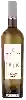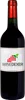
Winery PratelloSant'Emiliano Rosé
 Pink wine
This wine generally goes well with pork, vegetarian or poultry.

Food and wine pairings with Sant'Emiliano Rosé
Pairings that work perfectly with Sant'Emiliano Rosé



Original food and wine pairings with Sant'Emiliano Rosé



The Sant'Emiliano Rosé of Winery Pratello matches generally quite well with dishes of beef, lamb or veal such as recipes of sauté of lamb with curry, rolled lamb shoulder with herbs or pork shank stew.
Discover the grape variety: Marzemino
Supple and fruity reds with a clear ruby colour and melted tannins, on intense aromas of red fruits (cherry, raspberry), plum, violet, sweet spices and herbal notes. Round palate, fresh finish. Star of Trentino Marzemino DOC (notably in the Vallagarina valley, southern Trentino), celebrated by Mozart in Don Giovanni ("versa il vino, eccellente Marzemino!"). Also grown in Lombardy. Native Italian variety from the north-east.
Informations about the Winery Pratello
The Winery Pratello is one of of the world's great estates. It offers 53 wines for sale in the of Valtenesi to come and discover on site or to buy online.

The wine region of Valtenesi
Lombardy DOC on the south-western shore of Lake Garda (Brescia province), glacial morainic hills less than 2 km from the lake, temperate Mediterranean climate, mild winters and breezy summers. Chiaretto Valtenesi is the signature rosé (≥50% Groppello): pale and floral with strawberry, raspberry, citrus, rose and spiced notes, lively acidity — aperitif of the Garda. Exclusive indigenous Groppello (thin skin) as fresh fruity red. Marzemino, Barbera, Sangiovese and Rebo as complements.
The wine region of Lombardia
Three poles. Franciacorta DOCG, Italy's answer to Champagne: elegant brioche traditional-method sparklers (Chardonnay, Pinot Noir, Pinot Blanc), fine bubble and mineral profile. Alpine Valtellina: Nebbiolo (alias Chiavennasca) with fine tannins and red fruits, powerful Sforzato passito. Oltrepò Pavese: fresh Pinot Noir and fruity-sparkling Bonarda.
The word of the wine: Reasoned (agriculture)
Conventional agriculture but concerned with limiting synthetic treatments as much as possible.