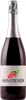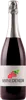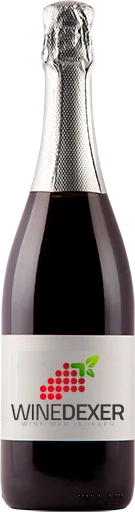
Winery Ponto NeroFreebie Frisante Rosé
 Sparkling wine



In the mouth this sparkling wine is a .
This wine generally goes well with pork, rich fish (salmon, tuna etc) or shellfish.
Taste structure of the Freebie Frisante Rosé from the Winery Ponto Nero
Light | Bold | |
Soft | Acidic | |
Gentle | Fizzy |
In the mouth the Freebie Frisante Rosé of Winery Ponto Nero in the region of Rio Grande do Sul is a .
Food and wine pairings with Freebie Frisante Rosé
Pairings that work perfectly with Freebie Frisante Rosé



Original food and wine pairings with Freebie Frisante Rosé
The Freebie Frisante Rosé of Winery Ponto Nero matches generally quite well with dishes of pork, rich fish (salmon, tuna etc) or shellfish such as recipes of eggs in meurette, tuna pie or festive sea pot.
Details and technical informations about Winery Ponto Nero's Freebie Frisante Rosé.
Discover the grape variety: Montils
Montils blanc is a grape variety that originated in France (Charente). It produces a variety of grape specially used for wine making. It is rare to find this grape to eat on our tables. It should be noted that this grape variety can also be used for the elaboration of eaux de vie. This variety of vine is characterized by bunches of medium size, and grapes of medium size. Montils blanc can be found in several vineyards: South-West, Cognac, Bordeaux, Loire Valley, Provence & Corsica, Rhone Valley, Savoie & Bugey, Beaujolais.
Last vintages of this wine
The best vintages of Freebie Frisante Rosé from Winery Ponto Nero are 0
Informations about the Winery Ponto Nero
The Winery Ponto Nero is one of of the world's great estates. It offers 25 wines for sale in the of Rio Grande do Sul to come and discover on site or to buy online.

The wine region of Rio Grande do Sul
Rio Grande do Sul is Brazil's most prolific wine-producing state. It is located in the very South of the country along the Uruguayan and Argentinian borders. The wine regions of Serra Gaucha, Campanha and Vale do Vinhedos can be found in this Part of the country. Soft, light red wines from a range of varieties such as Pinot Noir, Cabernet Sauvignon and Tannat are made here.
The word of the wine: Residual sugars
Sugars not transformed into alcohol and naturally present in the wine. The perception of residual sugars is conditioned by the acidity of the wine. The more acidic the wine is, the less sweet it will seem, given the same amount of sugar.