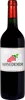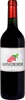
Winery Pivnica TibavaFrankovka Modrá Výber z Hrozna
 Red wine



This wine generally goes well with pork, rich fish (salmon, tuna etc) or mature and hard cheese.

Food and wine pairings with Frankovka Modrá Výber z Hrozna
Pairings that work perfectly with Frankovka Modrá Výber z Hrozna



Original food and wine pairings with Frankovka Modrá Výber z Hrozna

The Frankovka Modrá Výber z Hrozna of Winery Pivnica Tibava matches generally quite well with dishes of pork, rich fish (salmon, tuna etc) or mature and hard cheese such as recipes of spaghetti carbonara, pan-fried salmon with lemon and dill sauce or stuffed eggplant bonifacian style.
Details and technical informations about Winery Pivnica Tibava's Frankovka Modrá Výber z Hrozna.
Discover the grape variety: Ravat 34
Simple, dry and fresh whites with a pale golden robe, supple palate and moderate acidity; undemanding aromas of citrus and white flowers. Productive and disease-resistant. Grown in small quantities in France and Canada (Quebec) for vineyards with harsh continental climates. French white hybrid bred by Jean-François Ravat in the early 20th century, part of the historic post-phylloxera French hybridisations.
Last vintages of this wine
The best vintages of Frankovka Modrá Výber z Hrozna from Winery Pivnica Tibava are 0
Informations about the Winery Pivnica Tibava
The Winery Pivnica Tibava is one of of the world's greatest estates. It offers 44 wines for sale in the of Slovakia to come and discover on site or to buy online.

The wine region of Slovakia
Central European vineyard dominated by whites (75%). Signature Veltlínske Zelené (Grüner Veltliner): lively, peppery whites with notes of green apple, citrus, fresh herbs and a touch of white pepper. Fresh, lemony Welschriesling, supple Müller-Thurgau, round Pinot Blanc, mineral Riesling. Slovak Tokaj (907 ha shared with Hungary): sweet botrytised Furmint (honey, dried apricot, quince).
The word of the wine: Legs
Synonymous with tears.