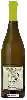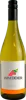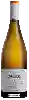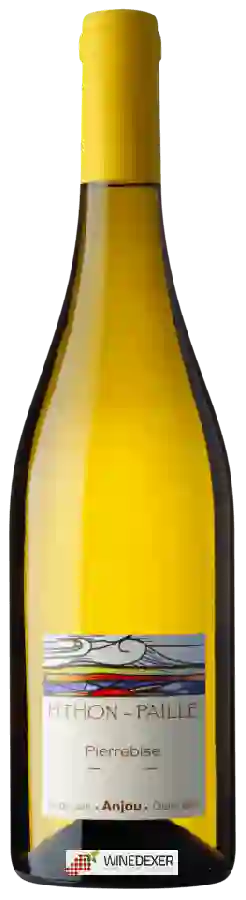
Winery Pithon-PailléPierrebise Anjou
 White wine



In the mouth this white wine is a with a nice freshness.
This wine generally goes well with vegetarian, poultry or rich fish (salmon, tuna etc).
Taste structure of the Pierrebise Anjou from the Winery Pithon-Paillé
Light | Bold | |
Dry | Sweet | |
Soft | Acidic |
In the mouth the Pierrebise Anjou of Winery Pithon-Paillé in the region of Loire Valley is a with a nice freshness.
Wine flavors and olphactive analysis


On the nose the Pierrebise Anjou of Winery Pithon-Paillé in the region of Loire Valley often reveals types of flavors of bruised apple, tree fruit.
Food and wine pairings with Pierrebise Anjou
Pairings that work perfectly with Pierrebise Anjou



Original food and wine pairings with Pierrebise Anjou

The Pierrebise Anjou of Winery Pithon-Paillé matches generally quite well with dishes of rich fish (salmon, tuna etc), vegetarian or poultry such as recipes of hard-boiled eggs and gourmet muffins, spinach and goat cheese quiche or stuffed squid in the sétoise sauce.
Details and technical informations about Winery Pithon-Paillé's Pierrebise Anjou.
Discover the grape variety: Chenin blanc
It most certainly originates from the Anjou region and is registered in the official catalogue of wine grape varieties on the A1 list. It can also be found in South Africa, Australia, Argentina, Chile, the United States (California), New Zealand, etc. It is said to be a descendant of Savagnin and to have sauvignonasse as its second parent (Jean-Michel Boursiquot 2019). On the other hand, Chenin blanc is the half-brother of verdelho and sauvignon blanc and is the father of colombard.
Last vintages of this wine
The best vintages of Pierrebise Anjou from Winery Pithon-Paillé are 2012, 2013
Informations about the Winery Pithon-Paillé
The Winery Pithon-Paillé is one of of the world's great estates. It offers 22 wines for sale in the of Anjou to come and discover on site or to buy online.

The wine region of Anjou
The wine region of Anjou is located in the region of Centre Loire of Loire Valley of France. Wineries and vineyards like the Domaine Lacheteau or the Domaine Moncourt produce mainly wines white, red and pink. The most planted grape varieties in the region of Anjou are Chenin blanc, Cabernet franc and Cabernet-Sauvignon, they are then used in wines in blends or as a single variety. On the nose of Anjou often reveals types of flavors of red fruit, caramel or bell pepper and sometimes also flavors of tomatoes, cassis or mushroom.
The wine region of Loire Valley
The Loire Valley is a key wine region in western France. It follows the course of the Loire River on its Long journey through the heart of France, from the inland hills of the Auvergne to the plains of the French Atlantic coast near Nantes (Muscadet country). Important in terms of quantity and quality, the region produces large quantities (about 4 million h/l each year) of everyday wines, as well as some of France's greatest wines. Diversity is another of the region's major assets; the styles of wine produced here range from the light, tangy Muscadet to the Sweet, honeyed Bonnezeaux, the Sparkling whites of Vouvray and the juicy, Tannic reds of Chinon and Saumur.
The word of the wine: Tanin
A natural compound contained in the skin of the grape, the seed or the woody part of the bunch, the stalk. The maceration of red wines allows the extraction of tannins, which give the texture, the solidity and also the mellowness when the tannins are "ripe". The winemaker seeks above all to extract the tannins from the skin, the ripest and most noble. The tannins of the seed or stalk, which are "greener", especially in average years, give the wine hardness and astringency. The wines of Bordeaux (based on Cabernet and Merlot) are full of tannins, those of Burgundy much less so, with Pinot Noir containing little.