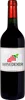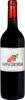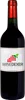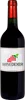
Winery PinacateCabernet Sauvignon
 wine
wine
This wine generally goes well with
The Cabernet Sauvignon of the Winery Pinacate is in the top 0 of wines of Sonora.
Details and technical informations about Winery Pinacate's Cabernet Sauvignon.
Discover the grape variety: Dunkelfelder
Intraspecific crossing between the madeleine angevine and the dyer of Cher obtained in 1928 by Gustav Adolf (1847/1912) of the Research Institute in Geinsenheim (Germany). We can meet it certainly in Germany but also in Belgium, in Switzerland, in England, in the United States, in Canada... almost unknown in France. It should not be confused with the dornfelder, also of German origin.
Last vintages of this wine


The best vintages of Cabernet Sauvignon from Winery Pinacate are 2020, 0
Informations about the Winery Pinacate
The Winery Pinacate is one of of the world's greatest estates. It offers 6 wines for sale in the of Sonora to come and discover on site or to buy online.

The wine region of Sonora
The wine region of Sonora is located in the region of North of Mexico. Wineries and vineyards like the Domaine Cuatro Sierras or the Domaine Cuatro Sierras produce mainly wines red and white. The most planted grape varieties in the region of Sonora are Touriga nacional, Cabernet-Sauvignon and Malbec, they are then used in wines in blends or as a single variety. On the nose of Sonora often reveals types of flavors of earth, black fruit.
The wine region of North
Valle de Guadalupe is the key wine region in the state of Baja California, Mexico. Baja California, in turn, is responsible for 90 percent national wine production. At the heart of the valley is Guadalupe Village, which Lies 14 miles (20km) North of Ensenada city. The valley runs northeast to southwest on either side of Guadalupe, stretching from the Pacific coast inland for roughly 20 miles (32 km).
The word of the wine: Tartar (deposit)
White, chalky deposits that occur as a result of precipitation inside bottles and are often considered by consumers as a defect. They are in fact tartaric salts formed by tartaric acid, potassium and calcium naturally present in the wine. This deposit does not alter the quality of the wine and can be eliminated by a simple decanting.