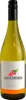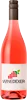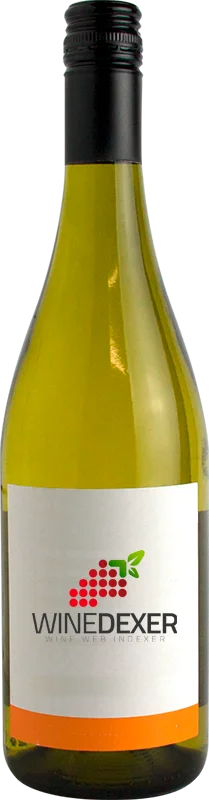
Winery J.Queyrens & FilsChâteau Pilet Sélection Bordeaux Blanc
 White wine


In the mouth this white wine is a powerful.
This wine generally goes well with pork, vegetarian or poultry.
Taste structure of the Château Pilet Sélection Bordeaux Blanc from the Winery J.Queyrens & Fils
Light | Bold | |
Dry | Sweet | |
Soft | Acidic |
In the mouth the Château Pilet Sélection Bordeaux Blanc of Winery J.Queyrens & Fils in the region of Bordeaux is a powerful.
Food and wine pairings with Château Pilet Sélection Bordeaux Blanc
Pairings that work perfectly with Château Pilet Sélection Bordeaux Blanc



Original food and wine pairings with Château Pilet Sélection Bordeaux Blanc


The Château Pilet Sélection Bordeaux Blanc of Winery J.Queyrens & Fils matches generally quite well with dishes of pork, vegetarian or poultry such as recipes of baked dumplings, spinach and goat cheese quiche or chicken ballotine with ham and mushrooms.
Details and technical informations about Winery J.Queyrens & Fils's Château Pilet Sélection Bordeaux Blanc.
Discover the grape variety: Floreal
A wine grape variety of the INRA-Resdur1 series with polygenic resistance (two genes for mildew and powdery mildew have been identified), resulting from an interspecific cross between Villaris and Mtp 3159-2-12 (for the latter, one of its parents is Vitis rotundifolia, which is resistant to Pierce's disease, mildew, grey rot, etc.). Little multiplied, it is registered in the Official Catalogue of wine grape varieties list A1.
Informations about the Winery J.Queyrens & Fils
The Winery J.Queyrens & Fils is one of of the world's great estates. It offers 19 wines for sale in the of Bordeaux to come and discover on site or to buy online.

The wine region of Bordeaux
Bordeaux, in southwestern France, is one of the most famous, prestigious and prolific wine regions in the world. The majority of Bordeaux wines (nearly 90% of the production Volume) are the Dry, medium and Full-bodied red Bordeaux blends for which it is famous. The finest (and most expensive) are the wines of the great châteaux of Haut-Médoc and the right bank appellations of Saint-Émilion and Pomerol. The former focuses (at the highest level) on Cabernet Sauvignon, the latter on Merlot.
The word of the wine: Second fermentation
In the making of champagne, fermentation of the base wine to which is added the liqueur de tirage and which takes place in the bottle. This second fermentation produces the carbon dioxide, and therefore the bubbles that make up the effervescence of the wine.