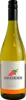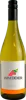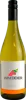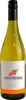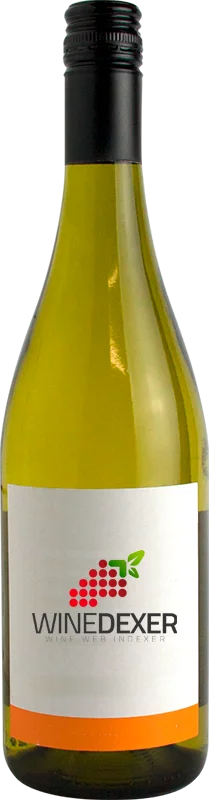
Winery PilatoPinot Bijeli
 White wine



This wine generally goes well with rich fish (salmon, tuna etc) and shellfish.

Food and wine pairings with Pinot Bijeli
Pairings that work perfectly with Pinot Bijeli


Original food and wine pairings with Pinot Bijeli
The Pinot Bijeli of Winery Pilato matches generally quite well with dishes of rich fish (salmon, tuna etc) or shellfish such as recipes of potato and tuna gratin or mussels with cream.
Details and technical informations about Winery Pilato's Pinot Bijeli.
Discover the grape variety: Pinot blanc
Round, supple whites with a soft palate, showing discreet aromas of apple, pear, fresh almond, white flowers and brioche notes. Moderate acidity, light finish. Star of Crémant d'Alsace (fine, taut sparkling) and base of Edelzwicker. Grown in Germany (Weissburgunder, Baden-Württemberg), northern Italy (Pinot Bianco, Alto Adige), Austria and Luxembourg. A white mutation of Pinot Noir.
Last vintages of this wine
The best vintages of Pinot Bijeli from Winery Pilato are 2018, 2016, 2013, 0 and 2017.
Informations about the Winery Pilato
The Winery Pilato is one of of the world's greatest estates. It offers 10 wines for sale in the of Istra to come and discover on site or to buy online.

The wine region of Istra
Istrian peninsula on the Adriatic, Croatia's smallest wine region but one of its most renowned. Signature Malvazija Istarska (50-70%): expressive, lively whites with notes of acacia, green apple, citrus, fresh almond and marked saline minerality - a perfect match with seafood. Native Teran in tannic, tangy red (blackberry, blood, earth), a unique profile. Also dense Refošk, round Merlot.
The word of the wine: Ban des vendanges
Date of the beginning of the grape harvest, fixed by the lord in the tradition of the Middle Ages and, today, by the prefect.