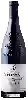
Winery Pierre VidalFort St Jean Gigondas
 Red wine



In the mouth this red wine is a powerful with a nice balance between acidity and tannins.
This wine generally goes well with beef, game (deer, venison) or lamb.

Taste structure of the Fort St Jean Gigondas from the Winery Pierre Vidal
Light | Bold | |
Smooth | Tannic | |
Dry | Sweet | |
Soft | Acidic |
In the mouth the Fort St Jean Gigondas of Winery Pierre Vidal in the region of Rhone Valley is a powerful with a nice balance between acidity and tannins.
Food and wine pairings with Fort St Jean Gigondas
Pairings that work perfectly with Fort St Jean Gigondas



Original food and wine pairings with Fort St Jean Gigondas
The Fort St Jean Gigondas of Winery Pierre Vidal matches generally quite well with dishes of beef, lamb or game (deer, venison) such as recipes of boles de picolat (catalan meatballs), lamb tagine with figs or roast duck breast stuffed with porcini mushrooms and chanterelles.
Details and technical informations about Winery Pierre Vidal's Fort St Jean Gigondas.
Discover the grape variety: Muscat de Roussé
Light and aromatic reds with a clear ruby hue, smooth tannins and an airy palate with preserved acidity, featuring discreet Muscat aromas (rose, fresh grape) and red fruits. Delicate rustic profile. Almost extinct, preserved in INRAE variety collections for its heritage value, it belongs to the family of ancient Muscats studied for their genetic interest. Rare French black variety, a Muscat variation.
Last vintages of this wine
The best vintages of Fort St Jean Gigondas from Winery Pierre Vidal are 2014
Informations about the Winery Pierre Vidal
The Winery Pierre Vidal is one of of the world's great estates. It offers 99 wines for sale in the of Gigondas to come and discover on site or to buy online.

The wine region of Gigondas
Full-bodied cru of the southern Rhone at the foot of the Dentelles de Montmirail: signature Grenache as king red (>=50%) with Syrah and Mourvedre — powerful and sun-soaked with notes of candied black fruits (blackberry, blackcurrant, plum), garrigue, kirsch, spices, licorice and pepper, dense tannins and a long finish (14-15% alcohol), more structured than Chateauneuf. Lively roses. AOC (1971), ~1,200 ha on the eponymous village (Vaucluse), limestone and clay-sandy soils, ages 5-15 years.
The wine region of Rhone Valley
France's 2nd-largest AOC vineyard, two complementary worlds. Northern: pure Syrah in signature reds (Côte-Rôtie, Hermitage, Cornas), deep and peppery with blackberry, violet, black olive and smoked bacon notes, exceptional ageing. Opulent Viognier whites (Condrieu, apricot, flowers) and ample Marsanne-Roussanne. Southern: sun-soaked Grenache blends at Châteauneuf, Gigondas, Vacqueyras (candied fruit, garrigue).
The word of the wine: Sabrer (champagne)
A cavalier and folkloric way of opening a bottle of champagne by breaking the neck with a sharp blow given with the top of the blade of a sabre.