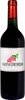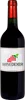
Winery Pierre ChavinChevalier d'Or Grande Cuvée Rouge
 Red wine


This wine generally goes well with pork, beef or game (deer, venison).

Wine flavors and olphactive analysis

Food and wine pairings with Chevalier d'Or Grande Cuvée Rouge
Pairings that work perfectly with Chevalier d'Or Grande Cuvée Rouge



Original food and wine pairings with Chevalier d'Or Grande Cuvée Rouge



The Chevalier d'Or Grande Cuvée Rouge of Winery Pierre Chavin matches generally quite well with dishes of beef, lamb or pork such as recipes of simple baked roast beef, eggplant, lamb and goat lasagna or country-style snow peas.
Details and technical informations about Winery Pierre Chavin's Chevalier d'Or Grande Cuvée Rouge.
Discover the grape variety: Tempranillo
Elegant, structured reds with aromas of strawberry, cherry, plum, leather, blond tobacco and pronounced vanilla from long oak ageing. Ranges from Joven to Crianza, Reserva and Gran Reserva. Star of Rioja DOCa, Ribera del Duero DO and Toro DO, also shines in the Douro as Tinta Roriz/Aragonez. One of the world's most planted Spanish varieties.
Last vintages of this wine

The best vintages of Chevalier d'Or Grande Cuvée Rouge from Winery Pierre Chavin are 2014, 2016, 2017
Informations about the Winery Pierre Chavin
The Winery Pierre Chavin is one of of the world's greatest estates. It offers 119 wines for sale in the of Vin de Pays to come and discover on site or to buy online.

The wine region of Vin de Pays
Intermediate category between AOC and Vin de France (renamed IGP in 2009), 27% of national volume. Accessible, expressive wines defined by their grape: opulent Chardonnay, lively Sauvignon, round Merlot, peppery Syrah, floral Viognier with apricot. 76 IGP in France at 3 scales: regional (Pays d'Oc, Méditerranée, Val de Loire), departmental or local. Flexible rules, wide range of permitted grapes, free grape and vintage labelling.
The wine region of Pays d'Oc
The single-grape IGP par excellence: modern, accessible, frank and fruity wines, the popular signature of the Midi. Spicy Syrah reds (pepper, blackberry), round Merlot, structured Cabernet, generous Grenache, supple Cinsault. Crisp, tangy rosés. Opulent Chardonnay whites, lively Sauvignon, floral, apricoty Viognier.
The word of the wine: Old vines
There are no specific regulations governing the term "vieilles vignes". After 20 to 25 years, the yields stabilize and tend to decrease, the vines are deeply rooted, and the grapes that come from them give richer, more concentrated, more sappy wines, expressing with more nuance the characteristics of their terroir. It is possible to find plots of vines that claim to be a century old.