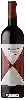
Winery PiandibugnanoCuccallegro
 Red wine


In the mouth this red wine is a .
This wine generally goes well with poultry, beef or veal.
Taste structure of the Cuccallegro from the Winery Piandibugnano
Light | Bold | |
Smooth | Tannic | |
Dry | Sweet | |
Soft | Acidic |
In the mouth the Cuccallegro of Winery Piandibugnano in the region of Tuscany is a .
Food and wine pairings with Cuccallegro
Pairings that work perfectly with Cuccallegro



Original food and wine pairings with Cuccallegro


The Cuccallegro of Winery Piandibugnano matches generally quite well with dishes of beef, lamb or veal such as recipes of german recipe for marinated meat: sauerbraten, pastasotto pepper merguez (risotto style pasta) or tête de veau sauce moi.
Details and technical informations about Winery Piandibugnano's Cuccallegro.
Discover the grape variety: Trepat
A very old grape variety found mainly in Catalonia (Spain), in the regions of Conca de Barbera and Costers del Segre, and also in the Balearic Islands, Murcia, Valencia, etc. It is said to be related to the white heben and has no link with the white trepat of Priorat. Before the phylloxera crisis, it could be found in Languedoc and Roussillon, which is no longer the case today, but it could be interesting for producing excellent and original rosé wines.
Last vintages of this wine
The best vintages of Cuccallegro from Winery Piandibugnano are 0
Informations about the Winery Piandibugnano
The Winery Piandibugnano is one of of the world's greatest estates. It offers 7 wines for sale in the of Tuscany to come and discover on site or to buy online.

The wine region of Tuscany
Tuscany is one of the most famous and prolific wine regions in Europe. It is best known for its Dry red wines made from Sangiovese grapes, which dominate production. These include Chianti, Brunello di Montalcino and Vino Nobile di Montepulciano. The region's Vin Santo is also highly prized, as are its passito dessert wines, though these are produced in comparatively tiny quantities.
The word of the wine: Yellow wine
White wines from the Jura region aged in oak barrels without topping up for at least 6 years. A veil of yeast forms on the surface of the wine, which undergoes slow oxidation, giving it a particular taste reminiscent of nuts.