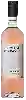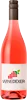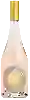
Winery PeyrassolXIII E Rosé
 Pink wine
This wine is a blend of 3 varietals which are the Cinsault, the Syrah and the Grenache noir.
In the mouth this pink wine is a with a nice freshness.
This wine generally goes well with pork, vegetarian or poultry.

Taste structure of the XIII E Rosé from the Winery Peyrassol
Light | Bold | |
Dry | Sweet | |
Soft | Acidic |
In the mouth the XIII E Rosé of Winery Peyrassol in the region of Provence is a with a nice freshness.
Food and wine pairings with XIII E Rosé
Pairings that work perfectly with XIII E Rosé



Original food and wine pairings with XIII E Rosé

The XIII E Rosé of Winery Peyrassol matches generally quite well with dishes of pork, shellfish or vegetarian such as recipes of english breakfast, scallops with saffron or quiche without pastry.
Details and technical informations about Winery Peyrassol's XIII E Rosé.
Discover the grape variety: Cinsault
Light, fresh reds with a clear robe, supple tannins and a tender mouth, featuring aromas of wild strawberry, raspberry, rose, peony and soft spices. The absolute pillar of Provençal rosés (Côtes de Provence AOC, Bandol rosé) to which it brings finesse and freshness, also a component of GSM blends in Côtes-du-Rhône and Languedoc. Also a single variety in South Africa where it is a parent of Pinotage. Historic southern French grape.
Informations about the Winery Peyrassol
The Winery Peyrassol is one of of the world's great estates. It offers 39 wines for sale in the of Provence to come and discover on site or to buy online.

The wine region of Provence
World capital of dry, refined rosé (~90% of production). Pale rose-petal colour, delicate nose of fresh red fruits (strawberry, raspberry, redcurrant), citrus (pink grapefruit), white flowers and a mineral touch, taut and thirst-quenching palate — the Mediterranean aperitif par excellence. Blends of Grenache, Cinsault, Syrah, Tibouren and Mourvèdre. Fleshy Bandol reds from Mourvèdre (leather, garrigue, age-worthy), straight Cassis whites.
The word of the wine: Barrel
Bordeaux barrel of 225 litres, used to determine the tonneau (unit of measurement corresponding to four barrels, or 900 litres).