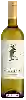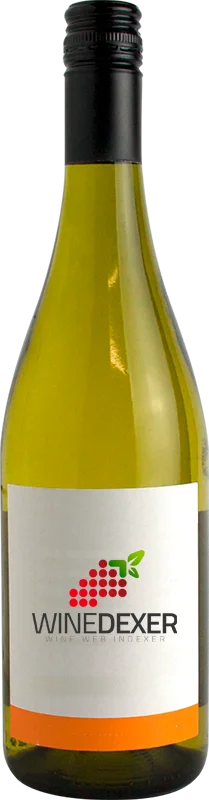
Château de la PeyradeVendange d'Automne
 Sweet wine


This wine generally goes well with spicy food and sweet desserts.
The Vendange d'Automne of the Château de la Peyrade is in the top 10 of wines of Pays d'Oc.

Food and wine pairings with Vendange d'Automne
Pairings that work perfectly with Vendange d'Automne


Original food and wine pairings with Vendange d'Automne
The Vendange d'Automne of Château de la Peyrade matches generally quite well with dishes of spicy food or sweet desserts such as recipes of chicken curry (like in reunion island) or homemade cookies.
Details and technical informations about Château de la Peyrade's Vendange d'Automne.
Discover the grape variety: Cortese
Lively, structured whites with firm acidity and a slender mouth, featuring aromas of citrus (lemon, grapefruit), green apple, white flowers, fresh almond and chalky mineral notes. Typically saline finish. The absolute star of Gavi DOCG (Cortese di Gavi), one of Italy's great whites, also made as sparkling wines and aged cuvées. Present in Colli Tortonesi DOC and Lombardy. Native Piedmontese grape from the southeast, with a long tradition of noble whites.
Last vintages of this wine

The best vintages of Vendange d'Automne from Château de la Peyrade are 2012, 2011
Informations about the Château de la Peyrade
The Château de la Peyrade is one of of the world's greatest estates. It offers 18 wines for sale in the of Pays d'Oc to come and discover on site or to buy online.

The wine region of Pays d'Oc
The single-grape IGP par excellence: modern, accessible, frank and fruity wines, the popular signature of the Midi. Spicy Syrah reds (pepper, blackberry), round Merlot, structured Cabernet, generous Grenache, supple Cinsault. Crisp, tangy rosés. Opulent Chardonnay whites, lively Sauvignon, floral, apricoty Viognier.
The word of the wine: Trimming
A vineyard operation consisting of pruning the upper part of the branches after lifting, either manually or using a trimming machine attached to a high-clearance tractor.