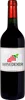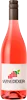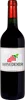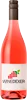
Winery Petra ViridisProvidence Rosé
 Pink wine


In the mouth this pink wine is a with a nice freshness.
This wine generally goes well with pork, vegetarian or poultry.

Taste structure of the Providence Rosé from the Winery Petra Viridis
Light | Bold | |
Dry | Sweet | |
Soft | Acidic |
In the mouth the Providence Rosé of Winery Petra Viridis in the region of Provence is a with a nice freshness.
Food and wine pairings with Providence Rosé
Pairings that work perfectly with Providence Rosé



Original food and wine pairings with Providence Rosé

The Providence Rosé of Winery Petra Viridis matches generally quite well with dishes of pork, shellfish or vegetarian such as recipes of tartiflette (from a real savoyard), thai shrimp soup (tom yam goong) or magic cake cheese quiche.
Details and technical informations about Winery Petra Viridis's Providence Rosé.
Discover the grape variety: Esganinho
Nervous, lively whites best drunk young, with a pale golden robe, an airy, low-alcohol palate with preserved acidity, and signature aromas of citrus (lemon, citron), green apple, and vivid herbaceous notes. Often blended to bring freshness to Douro DOC whites and Portuguese sparkling wines. A Portuguese white variety from the Douro and Vinho Verde, whose name evokes its characteristically pronounced acidity.
Last vintages of this wine

The best vintages of Providence Rosé from Winery Petra Viridis are 2016, 2018, 2017, 2019 and 2015.
Informations about the Winery Petra Viridis
The Winery Petra Viridis is one of of the world's greatest estates. It offers 45 wines for sale in the of Coteaux de Pierrevert to come and discover on site or to buy online.

The wine region of Coteaux de Pierrevert
Provençal AOC of the Alpes-de-Haute-Provence (1998) around Manosque, the highest vineyard of Provence (400–500 m on the Durance hillsides), cool Mediterranean interior climate. Rosés (~53%) based on Grenache and Syrah with Cinsault and Mourvèdre: pale and crunchy with strawberry, raspberry, citrus, garrigue and floral notes, fresh altitude acidity — summery aperitif. Supple, fruity reds. Lively whites from Vermentino, Clairette and Marsanne.
The wine region of Provence
World capital of dry, refined rosé (~90% of production). Pale rose-petal colour, delicate nose of fresh red fruits (strawberry, raspberry, redcurrant), citrus (pink grapefruit), white flowers and a mineral touch, taut and thirst-quenching palate — the Mediterranean aperitif par excellence. Blends of Grenache, Cinsault, Syrah, Tibouren and Mourvèdre. Fleshy Bandol reds from Mourvèdre (leather, garrigue, age-worthy), straight Cassis whites.
The word of the wine: Powerful
Rich, full-bodied, corpulent wine.