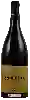
Winery Peth WetzGrand Vintage Merlot
 Red wine


This wine generally goes well with beef and game (deer, venison).

Food and wine pairings with Grand Vintage Merlot
Pairings that work perfectly with Grand Vintage Merlot


Original food and wine pairings with Grand Vintage Merlot
The Grand Vintage Merlot of Winery Peth Wetz matches generally quite well with dishes of beef or game (deer, venison) such as recipes of lomo saltado or duck with orange and honey.
Details and technical informations about Winery Peth Wetz's Grand Vintage Merlot.
Discover the grape variety: Merlot
Round and fleshy reds with a velvety texture, showing aromas of ripe plum, black cherry, cocoa and truffle notes with age. Supple tannins, generous alcohol, indulgent finish. Pillar of Libournais (Pomerol with Pétrus, Saint-Émilion with Cheval Blanc and Ausone) and signature of Super Tuscans, Italian Wales and Washington State. A cross of Cabernet Franc × Magdeleine Noire, France's most planted red variety.
Last vintages of this wine
The best vintages of Grand Vintage Merlot from Winery Peth Wetz are 0
Informations about the Winery Peth Wetz
The Winery Peth Wetz is one of of the world's great estates. It offers 65 wines for sale in the of Rheinhessen to come and discover on site or to buy online.

The wine region of Rheinhessen
71% white region: Riesling is king (5,000 ha), dry to off-dry, ripe yellow fruit, apple, citrus and fine saline minerality. Supple, floral Müller-Thurgau for everyday, the world's largest Silvaner plantation with herbaceous, straight notes. Historic cradle of off-sweet Liebfraumilch. Some supple reds (Dornfelder, Spätburgunder).
The word of the wine: Sulphur
An antiseptic and antioxidant substance known since antiquity, probably already used by the Romans. But it was only in modern times that its use was rediscovered. It will allow a better conservation of the wine and thus favour its export. Sulphur also gave the 18th century winegrower the possibility of extending the maceration period without fearing that the wine would turn sour and thus go from dark rosé wines to the red wines of today. Excessive sulphur, on the other hand, kills happiness, paralysing the aromas and causing headaches.