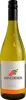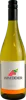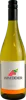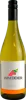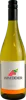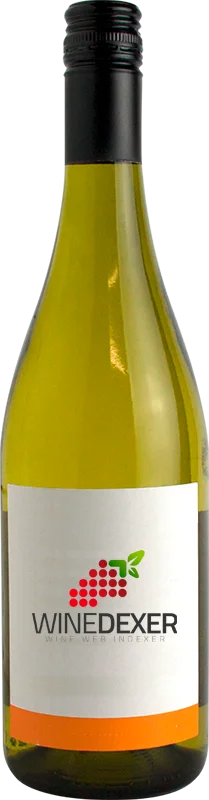
Winery Peter HuffSilvaner Feinherb
 White wine
In the mouth this white wine is a mainly marked by the residual sugar.
This wine generally goes well with pork, vegetarian or poultry.

Taste structure of the Silvaner Feinherb from the Winery Peter Huff
Light | Bold | |
Dry | Sweet | |
Soft | Acidic |
In the mouth the Silvaner Feinherb of Winery Peter Huff in the region of Rheinhessen is a mainly marked by the residual sugar.
Food and wine pairings with Silvaner Feinherb
Pairings that work perfectly with Silvaner Feinherb



Original food and wine pairings with Silvaner Feinherb


The Silvaner Feinherb of Winery Peter Huff matches generally quite well with dishes of veal, pork or vegetarian such as recipes of veal axoa (basque country), rougail sausage or quiche without pastry.
Details and technical informations about Winery Peter Huff's Silvaner Feinherb.
Discover the grape variety: Aramon blanc
Simple, light whites to drink young with a pale golden robe, airy palate with low acidity, showing discrete white flower, white-fleshed fruit and neutral aromas. Productive but lightly colored, thirst-quenching profile. Now marginal, survives in a few conservatory vineyards of Hérault for its heritage value. White mutation of Aramon noir, once omnipresent in Languedoc-Roussillon supplying 19th-century table wines.
Informations about the Winery Peter Huff
The Winery Peter Huff is one of of the world's greatest estates. It offers 16 wines for sale in the of Rheinhessen to come and discover on site or to buy online.

The wine region of Rheinhessen
71% white region: Riesling is king (5,000 ha), dry to off-dry, ripe yellow fruit, apple, citrus and fine saline minerality. Supple, floral Müller-Thurgau for everyday, the world's largest Silvaner plantation with herbaceous, straight notes. Historic cradle of off-sweet Liebfraumilch. Some supple reds (Dornfelder, Spätburgunder).
The word of the wine: Solera
A method of maturing practiced in Andalusia for certain sherries, which aims to continuously blend older and younger wines. It consists of stacking several layers of barrels; those located at ground level (solera) contain the oldest wines, the youngest being stored in the barrels on the upper level. The wine to be bottled is taken from the barrels on the lower level, which is replaced by younger wine from the upper level, and so on.