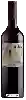
Winery Cantina PelossiTraces Merlot
 Red wine
In the mouth this red wine is a powerful.
This wine generally goes well with beef, veal or lamb.

Taste structure of the Traces Merlot from the Winery Cantina Pelossi
Light | Bold | |
Smooth | Tannic | |
Dry | Sweet | |
Soft | Acidic |
In the mouth the Traces Merlot of Winery Cantina Pelossi in the region of Ticino is a powerful.
Food and wine pairings with Traces Merlot
Pairings that work perfectly with Traces Merlot



Original food and wine pairings with Traces Merlot
The Traces Merlot of Winery Cantina Pelossi matches generally quite well with dishes of beef, lamb or veal such as recipes of roast beef with caramelized onion, lamb tagine with honey and onions or beef tournedos with boursin.
Details and technical informations about Winery Cantina Pelossi's Traces Merlot.
Discover the grape variety: Merlot
Round and fleshy reds with a velvety texture, showing aromas of ripe plum, black cherry, cocoa and truffle notes with age. Supple tannins, generous alcohol, indulgent finish. Pillar of Libournais (Pomerol with Pétrus, Saint-Émilion with Cheval Blanc and Ausone) and signature of Super Tuscans, Italian Wales and Washington State. A cross of Cabernet Franc × Magdeleine Noire, France's most planted red variety.
Informations about the Winery Cantina Pelossi
The Winery Cantina Pelossi is one of of the world's great estates. It offers 19 wines for sale in the of Ticino to come and discover on site or to buy online.

The wine region of Ticino
Italian Switzerland, stronghold of Helvetic Merlot (~80% of plantings). Fleshy, refined reds with signature notes of ripe plum, black cherry, dark chocolate, leather and spices, round tannins and a velvety palate — often compared to the best Pomerol. Some cuvées vinified as Bianco di Merlot: original, ample whites (peach, citrus). Also native Bondola and Bordeaux blends.
The word of the wine: Véraison
A phase in the vegetative cycle of the vine that takes place in summer, usually in August, when the grapes change colour from green to red (for reds) or yellow (for whites). This stage heralds the beginning of ripening.