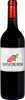
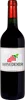
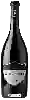
Winery Paul HerpeCuvee 98 Ans Fitou
 Red wine
In the mouth this red wine is a powerful with a nice balance between acidity and tannins.
This wine generally goes well with beef, veal or pasta.

Taste structure of the Cuvee 98 Ans Fitou from the Winery Paul Herpe
Light | Bold | |
Smooth | Tannic | |
Dry | Sweet | |
Soft | Acidic |
In the mouth the Cuvee 98 Ans Fitou of Winery Paul Herpe in the region of Languedoc-Roussillon is a powerful with a nice balance between acidity and tannins.
Food and wine pairings with Cuvee 98 Ans Fitou
Pairings that work perfectly with Cuvee 98 Ans Fitou



Original food and wine pairings with Cuvee 98 Ans Fitou
The Cuvee 98 Ans Fitou of Winery Paul Herpe matches generally quite well with dishes of beef, pasta or veal such as recipes of melt-in-the-mouth pork tenderloin casserole, fish with tamarind or grenadins of veal with ceps.
Details and technical informations about Winery Paul Herpe's Cuvee 98 Ans Fitou.
Discover the grape variety: Perlaut
Simple, fresh dry whites with a pale golden robe, a supple palate and understated aromas of citrus and white flowers. Discreet rustic profile. Almost extinct, preserved in INRAE varietal collections for its heritage value; bears witness to the pre-phylloxera ampelographic diversity of the South-West. Rare French white grape, once grown in the South-West.
Informations about the Winery Paul Herpe
The Winery Paul Herpe is one of of the world's great estates. It offers 51 wines for sale in the of Fitou to come and discover on site or to buy online.

The wine region of Fitou
Languedoc's 1st red AOC (1948), realm of Carignan on 2 separated entities (maritime Leucate lagoon, mountainous Mont Tauch). Signature powerful structured reds with notes of black cherry, blackberry, garrigue, liquorice, pepper and schistous mineral touch, firm tannins and warm mouth — sunny ageing wines (5-15 years). Grenache brings finesse and fruit, Syrah spice, Mourvèdre depth. Schist and limestone soils over ~2,500 ha.
The wine region of Languedoc-Roussillon
Largest single French vineyard, dominated by sunny, generous reds. Spicy Syrah, candied Grenache (ripe fruit, garrigue), structured Carignan, deep Mourvèdre, supple Cinsault. Stars: structured Corbières, Minervois, Faugères, Saint-Chinian; round Côtes-du-Roussillon. Legendary vins doux naturels: Banyuls and Maury (fortified Grenache) with notes of cocoa, fig, prune.
The word of the wine: Harmonious
Balance of the different organoleptic elements of a wine. This harmony is linked to the typicity of each wine. The sweetness of a sweet wine is an element of its balance, whereas a Sancerre or a Chablis will be asked to be lively and dry.