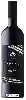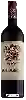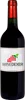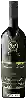
Winery PattoRosso
 Red wine
In the mouth this red wine is a powerful.
This wine generally goes well with beef, lamb or pasta.
Taste structure of the Rosso from the Winery Patto
Light | Bold | |
Smooth | Tannic | |
Dry | Sweet | |
Soft | Acidic |
In the mouth the Rosso of Winery Patto in the region of Sicily is a powerful.
Food and wine pairings with Rosso
Pairings that work perfectly with Rosso



Original food and wine pairings with Rosso
The Rosso of Winery Patto matches generally quite well with dishes of beef, pasta or lamb such as recipes of brazilian feijoada, spaghetti with garlic or saddle of lamb stuffed with chicken breast and basil.
Details and technical informations about Winery Patto's Rosso.
Discover the grape variety: Ohanès
This variety is known in Spain, Portugal, Italy, Greece, Morocco, South Africa, the United States (California), Argentina, Chile, etc. In France, it is little cultivated because of its late maturity. - Synonyms: oanez or ohanez, uva de Almeria, uva del barco, santa paula, not to be confused with the white gherkin, khaen, grumer negro, valenci or valensi, which is not related to the black valensi (for all the synonyms of the grape varieties, click here!)
Informations about the Winery Patto
The Winery Patto is one of of the world's greatest estates. It offers 8 wines for sale in the of Sicily to come and discover on site or to buy online.

The wine region of Sicily
Sicily is the Southernmost region of Italy, and the largest island in the Mediterranean Sea. For over 2500 years, Sicily (Sicilia in Italian) has been an important centre of Mediterranean viticulture, although the reputation and style of its wines have changed considerably over time. The island was once best known for its Sweet muscatels (see Pantelleria), and later for its fortified Marsala. Today, many of its best-known wines are Dry table wines produced under the regional designation IGT Terre Siciliane, or Sicilia DOC (see below).
The word of the wine: Tank
Made of concrete, stainless steel, enamelled steel or wood (now fashionable again), the vat is an indispensable tool during the entire winemaking process. It is also used to mature certain wines that do not need to go into barrel, or to preserve them.