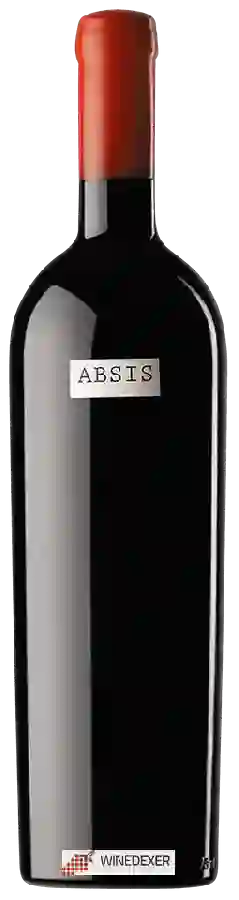
Winery Parés BaltàAbsis
 Red wine


This wine is a blend of 3 varietals which are the Cabernet-Sauvignon, the Tempranillo and the Merlot.
In the mouth this red wine is a powerful with a nice freshness.
This wine generally goes well with poultry, beef or veal.
The Absis of the Winery Parés Baltà is in the top 80 of wines of Spain and in the top 5 of wines of Penedès.

Taste structure of the Absis from the Winery Parés Baltà
Light | Bold | |
Smooth | Tannic | |
Dry | Sweet | |
Soft | Acidic |
In the mouth the Absis of Winery Parés Baltà in the region of Catalogne is a powerful with a nice freshness.
Wine flavors and olphactive analysis




On the nose the Absis of Winery Parés Baltà in the region of Catalogne often reveals types of flavors of non oak, earth or oak and sometimes also flavors of spices, black fruit or dried fruit.
Food and wine pairings with Absis
Pairings that work perfectly with Absis



Original food and wine pairings with Absis

The Absis of Winery Parés Baltà matches generally quite well with dishes of beef, pasta or veal such as recipes of quick beef and cheese yakitori, pad thai or pork tenderloin with onions.
Details and technical informations about Winery Parés Baltà's Absis.
Discover the grape variety: Cabernet-Sauvignon
Structured, tannic reds, deeply coloured, with aromas of blackcurrant, blackberry, cedar, tobacco and graphite, underpinned by firm acidity and fine ageing potential. Cornerstone of the great Médoc estates (Pauillac, Saint-Estèphe, Saint-Julien) and signature of Napa Valley, Coonawarra and Maipo. The world's most planted red variety, a natural cross of Cabernet Franc x Sauvignon Blanc born in Bordeaux.
Last vintages of this wine

The best vintages of Absis from Winery Parés Baltà are 2015, 2014, 2005, 0 and 2003.
Informations about the Winery Parés Baltà
The Winery Parés Baltà is one of of the world's greatest estates. It offers 77 wines for sale in the of Penedès to come and discover on site or to buy online.

The wine region of Penedès
Historic cradle of Cava (95% of Spanish output, centred on Sant Sadurní d'Anoia): traditional-method sparklers, convivial and brioche-like. Indigenous trilogy: signature Xarel-lo (body, herbaceous and almondy notes), Macabeo (apple, freshness), Parellada (floral elegance). Still wines ~80% white from the same grapes, straight and accessible. Also sunny Garnacha, Cabernet and Pinot Noir.
The wine region of Catalogne
Cradle of Cava (~95% of Spanish output, traditional method): Macabeo, Xarel-lo, Parellada trilogy, fine fruity bubble. Quality peak in Priorat DOCa: dense, mineral reds on llicorella (schist), old-vine Garnacha and Cariñena with black fruit, garrigue notes, firm tannins. Also Penedès, fleshy Montsant, sunny Empordà, Costers del Segre. Mediterranean.
The word of the wine: Muscat blanc à petits grains
A white grape variety cultivated since antiquity on the shores of the Mediterranean, it is considered the noblest of the muscats. It is mainly used to make sweet wines, often from mutage. In France, it is the sole variety used in many natural sweet wines: muscat-de-frontignan, muscat-de-mireval, muscat-de-lunel, muscat-de-saint-jean-de-minervois, muscat-de-beaumes-de-venise, muscat-du-cap-corse. Combined with Muscat d'Alexandrie, it gives Muscat-de-Rivesaltes. It is also used to make sparkling white wines (clairette-de-die; moscato d'asti and asti spumante in Italy) and dry wines (alsace-muscat). Powerfully aromatic and complex, its wines evoke fresh grapes, roses, exotic fruits, citrus fruits and spices.


