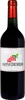
Winery ParéeFreres Cylia
 Red wine



This wine generally goes well with
The Freres Cylia of the Winery Parée is in the top 20 of wines of Nouvelle-Galles du Sud.

Details and technical informations about Winery Parée's Freres Cylia.
Discover the grape variety: Merlot noir
Supple, rounded reds with a deep ruby robe, velvety tannins and a generous palate, with signature aromas of ripe cherry, plum and blackberry, soft spices, cocoa and toasty oak notes. Age-worthy. Emblematic pillar of Pomerol and Saint-Émilion, most planted red variety in France. Official synonym of Merlot, natural cross Cabernet Franc × Magdeleine Noire des Charentes.
Last vintages of this wine
The best vintages of Freres Cylia from Winery Parée are 0
Informations about the Winery Parée
The Winery Parée is one of of the world's greatest estates. It offers 3 wines for sale in the of Nouvelle-Galles du Sud to come and discover on site or to buy online.

The wine region of Nouvelle-Galles du Sud
Australia's 2nd wine state with diverse regions. Iconic Hunter Valley: a Sémillon unlike any other, straight, low-alcohol dry whites with vivid citrus when young, evolving over 10-20 years toward honey, toast and lanolin. Medium-bodied Hunter Shiraz, spicy and earthy (leather, red fruits). Also round Chardonnay and aromatic Verdelho.
The word of the wine: Clear
Said of a wine that is clear and brilliant in colour and contains no suspended matter.