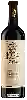
Winery Cantine ParadisoPosta Piana Nero di Troia
 Red wine


In the mouth this red wine is a powerful.
This wine generally goes well with beef, lamb or pasta.

Taste structure of the Posta Piana Nero di Troia from the Winery Cantine Paradiso
Light | Bold | |
Smooth | Tannic | |
Dry | Sweet | |
Soft | Acidic |
In the mouth the Posta Piana Nero di Troia of Winery Cantine Paradiso in the region of Puglia is a powerful.
Wine flavors and olphactive analysis





On the nose the Posta Piana Nero di Troia of Winery Cantine Paradiso in the region of Puglia often reveals types of flavors of non oak, earth or microbio and sometimes also flavors of oak, spices or red fruit.
Food and wine pairings with Posta Piana Nero di Troia
Pairings that work perfectly with Posta Piana Nero di Troia



Original food and wine pairings with Posta Piana Nero di Troia
The Posta Piana Nero di Troia of Winery Cantine Paradiso matches generally quite well with dishes of beef, pasta or lamb such as recipes of piglet shoulder with melting baked apples, macaroni and cheese gratin or rack of lamb with antiboise sauce.
Details and technical informations about Winery Cantine Paradiso's Posta Piana Nero di Troia.
Discover the grape variety: Seyval
Lively, simple and fruity whites with a pale golden colour, an airy palate with preserved acidity, and discreet aromas of citrus, white-fleshed fruits and white flowers. Also used in sparkling bases. Disease-resistant and cold-hardy. Grown in the United Kingdom, Canada (Québec) and the north-eastern United States for northern climates. Family of French hybrid varieties developed by Bertille Seyve in Bourgoin-Jallieu (Isère), the best known being Seyval Blanc.
Last vintages of this wine
The best vintages of Posta Piana Nero di Troia from Winery Cantine Paradiso are 2018, 0, 2017
Informations about the Winery Cantine Paradiso
The Winery Cantine Paradiso is one of of the world's greatest estates. It offers 52 wines for sale in the of Puglia to come and discover on site or to buy online.

The wine region of Puglia
Heel of the boot, 80% red vineyard, sunny and generous. Fleshy, jammy Primitivo (= Zinfandel) with notes of black cherry, plum, chocolate and spices, powerful alcohol and melted tannins, a star in Primitivo di Manduria. Deep, structured Negroamaro (black-bitter) with a bitter finish in Salice Salentino. Structured Nero di Troia, spicy Susumaniello.
The word of the wine: Bouquet
The tertiary aromas that develop during aging and characterize the wine at its peak. This term is improperly used to refer to the aromas of a wine in general.