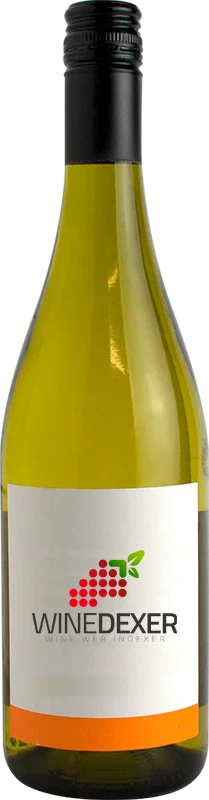
Winery Paolo ConternoFöra
 White wine


In the mouth this white wine is a powerful.
This wine generally goes well with lean fish, shellfish or mature and hard cheese.

Taste structure of the Föra from the Winery Paolo Conterno
Light | Bold | |
Dry | Sweet | |
Soft | Acidic |
In the mouth the Föra of Winery Paolo Conterno in the region of Piedmont is a powerful.
Food and wine pairings with Föra
Pairings that work perfectly with Föra



Original food and wine pairings with Föra


The Föra of Winery Paolo Conterno matches generally quite well with dishes of pasta, shellfish or mature and hard cheese such as recipes of quiche with mixed vegetables, lobster armorican style or veal cutlets with savoy tomme.
Details and technical informations about Winery Paolo Conterno's Föra.
Discover the grape variety: Siroka Melniska
Structured, intensely coloured reds with excellent ageing potential, with a deep purple colour, firm tannins and an ample palate, with signature aromas of black fruits (blackberry, plum), spices, tobacco and leather notes. Powerful Balkan profile. Star of the Melnik vineyard in the south-west of the country, it produces the best long-ageing reds of Bulgaria. Indigenous Bulgarian black variety grown in the sunny Melnik region.
Last vintages of this wine
The best vintages of Föra from Winery Paolo Conterno are 2016, 2015, 0
Informations about the Winery Paolo Conterno
The Winery Paolo Conterno is one of of the world's great estates. It offers 22 wines for sale in the of Piedmont to come and discover on site or to buy online.

The wine region of Piedmont
Kingdom of Nebbiolo: Barolo and Barbaresco DOCG, long-ageing reds with firm tannins and lively acidity, complex aromas of withered rose, sour cherry, tar, truffle and undergrowth. More accessible, tangy Barbera on red fruit, supple, crisp Dolcetto. Sweet, floral sparkling Moscato d'Asti, mineral, lemony Gavi (Cortese) white, round, almondy Arneis from Roero. 50,000 ha across the Langhe, Roero and Monferrato, UNESCO.
The word of the wine: Shipping (liquor)
In champagne and wines made according to the traditional method, wine is added before corking to fill the void in the bottle created by disgorging. This added wine is often sweetened by sugar incorporated in variable proportions according to the style of wine sought (see dosage). Syn.: liqueur de dosage.