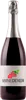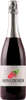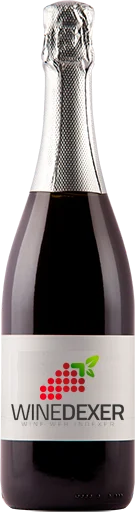
Winery Palacio de PalauCava Rosado Brut
 Sparkling wine



In the mouth this sparkling wine is a with a nice vivacity and a fine and pleasant bubble.
This wine generally goes well with appetizers and snacks, lean fish or shellfish.

Taste structure of the Cava Rosado Brut from the Winery Palacio de Palau
Light | Bold | |
Soft | Acidic | |
Gentle | Fizzy |
In the mouth the Cava Rosado Brut of Winery Palacio de Palau in the region of Cava is a with a nice vivacity and a fine and pleasant bubble.
Food and wine pairings with Cava Rosado Brut
Pairings that work perfectly with Cava Rosado Brut



Original food and wine pairings with Cava Rosado Brut


The Cava Rosado Brut of Winery Palacio de Palau matches generally quite well with dishes of shellfish, appetizers and snacks or lean fish such as recipes of tagliatelle with seafood and saffron cream, patatas bravas (fried potatoes with spicy tomato sauce) or exotic fish gratin with three purées.
Details and technical informations about Winery Palacio de Palau's Cava Rosado Brut.
Discover the grape variety: Bombino nero
Light, fruity reds and vivid, thirst-quenching rosés with a clear ruby to salmon robe, supple tannins and an airy palate on red fruit (cherry, strawberry, raspberry) and floral notes. Star of the Castel del Monte Bombino Nero DOCG — the first Italian rosé to earn the designation — grown mainly in the province of Bari. Black variety from Puglia in southern Italy.
Last vintages of this wine
The best vintages of Cava Rosado Brut from Winery Palacio de Palau are 0
Informations about the Winery Palacio de Palau
The Winery Palacio de Palau is one of of the world's greatest estates. It offers 3 wines for sale in the of Cava to come and discover on site or to buy online.

The wine region of Cava
Spain's star traditional-method sparkler, the Iberian equivalent of Champagne. Three Catalan grapes blended: Macabeo (apple, freshness), Xarel-lo (body and herbaceous notes), Parellada (elegance and floral finesse). Chardonnay and Pinot Noir also allowed. From fruit-driven Brut to Gran Reserva (30 months on lees) with brioche and toasted notes.
The word of the wine: Extra raw
Champagne dosed between 0 and 6 grams of sugar (see dosage liqueur).