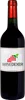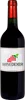
Winery Pago DianaClos Diana Syrah
 Red wine


In the mouth this red wine is a powerful with a lot of tannins present in the mouth.
This wine generally goes well with poultry, beef or game (deer, venison).
Taste structure of the Clos Diana Syrah from the Winery Pago Diana
Light | Bold | |
Smooth | Tannic | |
Dry | Sweet | |
Soft | Acidic |
In the mouth the Clos Diana Syrah of Winery Pago Diana in the region of Catalogne is a powerful with a lot of tannins present in the mouth.
Food and wine pairings with Clos Diana Syrah
Pairings that work perfectly with Clos Diana Syrah



Original food and wine pairings with Clos Diana Syrah

The Clos Diana Syrah of Winery Pago Diana matches generally quite well with dishes of beef, lamb or game (deer, venison) such as recipes of piglet shoulder with melting baked apples, lamb curry or my grandmother's rabbit stew.
Details and technical informations about Winery Pago Diana's Clos Diana Syrah.
Discover the grape variety: Montepulciano
A very old grape variety, most likely originating in Italy, now cultivated mainly in the central and central-eastern parts of this country, registered in France in the Official Catalogue of wine grape varieties, list A1. Montepulciano has long been confused with sangiovese or nielluccio, an A.D.N. analysis has shown that it is different.
Last vintages of this wine
The best vintages of Clos Diana Syrah from Winery Pago Diana are 0
Informations about the Winery Pago Diana
The Winery Pago Diana is one of of the world's greatest estates. It offers 6 wines for sale in the of Catalogne to come and discover on site or to buy online.

The wine region of Catalogne
Catalonia (Catalunya in Catalan and Cataluña in Spanish) is an autonomous community in the Northeast of Spain. It extends from the historic county (comarca) of Montsia in the South to the border with France in the north. The Mediterranean Sea forms its eastern border and offers 580 km of coastline. The Catalunya D.
The word of the wine: Passerillage
Concentration of the grape by drying out, under the influence of wind or sun, as opposed to botrytisation, which is the concentration obtained by the development of the "noble rot" for which Botrytis cinerea is responsible. The word is mainly used for sweet wines.