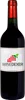
Winery Paco das CortesReserva
 Red wine



In the mouth this red wine is a powerful.
This wine generally goes well with poultry, beef or veal.

Taste structure of the Reserva from the Winery Paco das Cortes
Light | Bold | |
Smooth | Tannic | |
Dry | Sweet | |
Soft | Acidic |
In the mouth the Reserva of Winery Paco das Cortes in the region of Lisboa is a powerful.


Food and wine pairings with Reserva
Pairings that work perfectly with Reserva



Original food and wine pairings with Reserva

The Reserva of Winery Paco das Cortes matches generally quite well with dishes of beef, pasta or veal such as recipes of beef with dark beer, spaghetti with garlic or sauté of doe stroganoff.
Details and technical informations about Winery Paco das Cortes's Reserva.
Discover the grape variety: Molinara
Light, lively reds with pale colour, discreet tannins and brisk acidity, with aromas of red cherry, wild strawberry, gentle spices and herbal notes. Traditional partner to corvina and rondinella in the typical blends of Valpolicella DOC, Bardolino DOC, Amarone DOCG and Recioto DOCG, bringing freshness and tension. Native Venetian variety from Lake Garda.
Last vintages of this wine
The best vintages of Reserva from Winery Paco das Cortes are 2014, 2015, 0, 2010
Informations about the Winery Paco das Cortes
The Winery Paco das Cortes is one of of the world's greatest estates. It offers 8 wines for sale in the of Lisboa to come and discover on site or to buy online.

The wine region of Lisboa
Vast coastal IGP north of Lisbon, Portugal's largest producer by volume. Accessible, sun-filled reds: fruity, spicy Castelão, dense Touriga Nacional (black fruit, violet), fleshy Trincadeira, deep Alicante Bouschet. Fresh, mineral whites: straight, lemony Arinto (star of Bucelas), aromatic Fernão Pires, round Vital and Malvasia. Structured reds from Alenquer, sparkling at Óbidos.
The word of the wine: Dried
Said of a worn out red wine lacking flesh and volume.