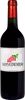
Winery P-U-RMarne Bleue
 Red wine



This wine generally goes well with beef, lamb or mature and hard cheese.

Wine flavors and olphactive analysis


On the nose the Marne Bleue of Winery P-U-R in the region of Vin de France often reveals types of flavors of red fruit, black fruit.
Food and wine pairings with Marne Bleue
Pairings that work perfectly with Marne Bleue



Original food and wine pairings with Marne Bleue

The Marne Bleue of Winery P-U-R matches generally quite well with dishes of beef, lamb or spicy food such as recipes of spanish stew (cocido), semolina-merguez salad or cicadas at the chib.
Details and technical informations about Winery P-U-R's Marne Bleue.
Discover the grape variety: Malvasia nera di Brindisi
Structured, aromatic reds with good ageing potential, deep purple, full-bodied tannins and a broad palate, with aromas of dark fruits (plum, blackberry), spices, tobacco and Mediterranean balsamic notes. Warm Salento profile. Often blended with Negroamaro, it adds aromatic richness to the great reds of southern Puglia. Black Malvasia variety grown near Brindisi in Puglia.
Last vintages of this wine
The best vintages of Marne Bleue from Winery P-U-R are 2011, 2012
Informations about the Winery P-U-R
The Winery P-U-R is one of of the world's great estates. It offers 57 wines for sale in the of Vin de France to come and discover on site or to buy online.

The wine region of Vin de France
The freest category of French wine, the playground of winemakers working outside the AOC. All styles combined: fruity reds, lively or ambitious whites, everyday rosés, unusual blends, natural wines, atypical grapes (Petit Manseng in Languedoc, Riesling in Provence), experimental winemaking (skin-contact whites, no sulphur). Grape and vintage labelling allowed, no geographic constraint. From the pop, convivial cuvée to the artisan gem: freedom in a bottle.
The word of the wine: Green harvest or green harvesting
The practice of removing excess bunches of grapes from certain vines, usually in July, but sometimes later. This is often necessary, but not always a good thing, as the remaining grapes tend to gain weight.