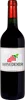
Winery Oude KaapPinotage
 Red wine



In the mouth this red wine is a powerful.
This wine generally goes well with poultry, beef or game (deer, venison).

Taste structure of the Pinotage from the Winery Oude Kaap
Light | Bold | |
Smooth | Tannic | |
Dry | Sweet | |
Soft | Acidic |
In the mouth the Pinotage of Winery Oude Kaap in the region of Western Cape is a powerful.
Food and wine pairings with Pinotage
Pairings that work perfectly with Pinotage



Original food and wine pairings with Pinotage
The Pinotage of Winery Oude Kaap matches generally quite well with dishes of beef, game (deer, venison) or poultry such as recipes of beef lark, rabbit with beer and mustard or violet omelette.
Details and technical informations about Winery Oude Kaap's Pinotage.
Discover the grape variety: Pinotage
Intensely coloured, structured reds with inky robe and firm tannins, with typical aromas of blackberry, black plum, roasted coffee, cocoa, banana and characteristic smoky notes. Made as powerful ageing reds and as more approachable fruity cuvées, sometimes as rosés. Absolute signature of South Africa (Stellenbosch, Swartland, Paarl). Cross of pinot noir × cinsault created in 1925 by Abraham Perold at Stellenbosch University.
Last vintages of this wine
The best vintages of Pinotage from Winery Oude Kaap are 2015, 2017, 2018, 2016 and 0.
Informations about the Winery Oude Kaap
The Winery Oude Kaap is one of of the world's greatest estates. It offers 19 wines for sale in the of Western Cape to come and discover on site or to buy online.

The wine region of Western Cape
Cradle of South African wine. Signature Chenin Blanc (Steen, 20%) in ample, fresh whites with notes of quince, yellow apple, honey and acacia flower, from crisp dry to sweet. Sharp, iodised Sauvignon Blanc (Walker Bay, Constantia), balanced Chardonnay. Reds: emblematic Pinotage with roasted aromas (coffee, plum, smoke), firm Cabernet Sauvignon, spicy Syrah.
The word of the wine: Ugni blanc
White grape variety of Italian origin, and the main white variety grown in France. Its large bunches give fine, light and lively wines, suitable for distillation: today it is the main variety for making cognac and armagnac. Ugni blanc, which is a little richer in alcohol when grown in Mediterranean regions, is used in the blending of the Provence and Corsica appellations, often in association with other grape varieties that bring aromas and structure, such as clairette, grenache blanc or sauvignon. Ugni blanc is also used, on a secondary basis, in the production of certain white wines in Gironde (AOC Bordeaux, Entre-deux-Mers, etc.).