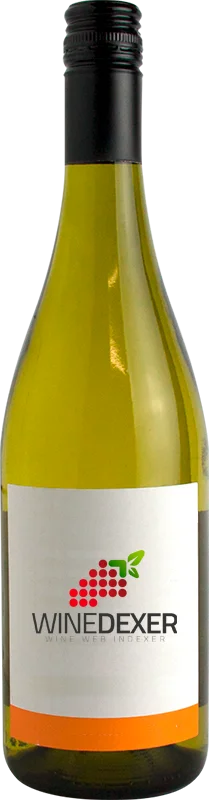
Winery Osm StoletíSylvánské Zelené Kabinetní
 White wine
This wine generally goes well with poultry, lean fish or shellfish.

Food and wine pairings with Sylvánské Zelené Kabinetní
Pairings that work perfectly with Sylvánské Zelené Kabinetní



Original food and wine pairings with Sylvánské Zelené Kabinetní


The Sylvánské Zelené Kabinetní of Winery Osm Století matches generally quite well with dishes of shellfish, spicy food or poultry such as recipes of shrimp with oyster sauce, real paella recipe from valencia or chicken and onion quiche.
Details and technical informations about Winery Osm Století's Sylvánské Zelené Kabinetní.
Discover the grape variety: Cornalin du Valais
Structured, elegant reds with a deep purple hue, firm, fine tannins and an ample, fresh palate, showing aromas of red and black fruits (black cherry, blackcurrant), spices (pepper) and alpine mineral notes. Ageing profile. Star of the great Valais reds, thriving on the sun-drenched slopes of the Swiss Rhône for celebrated age-worthy wines. Native Swiss black grape of the Valais (formerly Rouge du Pays), identical to the Cornalin d'Aoste.
Informations about the Winery Osm Století
The Winery Osm Století is one of of the world's great estates. It offers 15 wines for sale in the of Morava to come and discover on site or to buy online.

The wine region of Morava
Predominantly white region, lively and mineral: crisp, peppery Grüner Veltliner, taut Riesling with citrus, supple, floral Müller-Thurgau, aromatic Pálava, the local signature (muscat, white flowers). More discreet reds: spicy Frankovka (Blaufränkisch) with black fruits, fine, silky Saint Laurent. Temperate continental climate, 4 sub-regions: Mikulov, Velké Pavlovice, Znojmo, Slovácko. ~96% of the Czech vineyard, 73 grapes grown.
The word of the wine: Picpoul
See piquepoul.