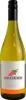
Winery Oskar DesoiRivaner Trocken
 White wine
In the mouth this white wine is a .
This wine generally goes well with vegetarian, appetizers and snacks or lean fish.

Taste structure of the Rivaner Trocken from the Winery Oskar Desoi
Light | Bold | |
Dry | Sweet | |
Soft | Acidic |
In the mouth the Rivaner Trocken of Winery Oskar Desoi in the region of Nahe is a .
Food and wine pairings with Rivaner Trocken
Pairings that work perfectly with Rivaner Trocken



Original food and wine pairings with Rivaner Trocken


The Rivaner Trocken of Winery Oskar Desoi matches generally quite well with dishes of shellfish, spicy food or vegetarian such as recipes of quick paella, mediterranean lamb necklace or magic cake cheese quiche.
Details and technical informations about Winery Oskar Desoi's Rivaner Trocken.
Discover the grape variety: Perlette
Seedless table grape with long clusters and golden berries, thin skin and crisp flesh, sweet fresh taste. Early-ripening and productive. Grown in California, Mexico, Argentina and Chile for export markets, valued for its attractive appearance and excellent shelf life. White seedless American variety obtained in 1936 in California, widely distributed in supermarkets.
Informations about the Winery Oskar Desoi
The Winery Oskar Desoi is one of of the world's great estates. It offers 34 wines for sale in the of Nahe to come and discover on site or to buy online.

The wine region of Nahe
Homeland of a mineral Riesling of exceptional geological expression: lively, precise whites with notes of peach, citrus, green apple, gunflint and fine salinity, from taut dry to botrytised sweet. 75% whites, Riesling king (27%) complemented by round Pinot Gris and supple Pinot Blanc. Rising reds: silky Spätburgunder with red fruit, darker Dornfelder. 4,240 ha along the Nahe river, among the most diverse soils in Germany (180 formations).
The word of the wine: Tasting
Sensory analysis of the wine according to a precise procedure and steps, using an appropriate vocabulary.