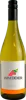
Winery Ortenauer WeinkellerSauvignon Blanc Trocken
 White wine


In the mouth this white wine is a with a nice freshness.
This wine generally goes well with vegetarian, shellfish or goat cheese.

Taste structure of the Sauvignon Blanc Trocken from the Winery Ortenauer Weinkeller
Light | Bold | |
Dry | Sweet | |
Soft | Acidic |
In the mouth the Sauvignon Blanc Trocken of Winery Ortenauer Weinkeller in the region of Baden is a with a nice freshness.
Food and wine pairings with Sauvignon Blanc Trocken
Pairings that work perfectly with Sauvignon Blanc Trocken



Original food and wine pairings with Sauvignon Blanc Trocken
The Sauvignon Blanc Trocken of Winery Ortenauer Weinkeller matches generally quite well with dishes of shellfish, vegetarian or goat cheese such as recipes of scallop mousse, summer tuna quiche or tomato, tuna and courgette bricks.
Details and technical informations about Winery Ortenauer Weinkeller's Sauvignon Blanc Trocken.
Discover the grape variety: Maratheftiko
Structured and intensely coloured age-worthy reds with a deep purple robe, firm tannins and an ample palate, signature aromas of black fruits (blackberry, blackcurrant), spices, Mediterranean garrigue and leather notes. Powerful altitude profile. Considered the finest red grape of Cyprus, experiencing a qualitative renaissance among modern Cypriot winemakers. Autochthonous black grape of Cyprus, grown at altitude in the Troodos Mountains.
Last vintages of this wine
The best vintages of Sauvignon Blanc Trocken from Winery Ortenauer Weinkeller are 0
Informations about the Winery Ortenauer Weinkeller
The Winery Ortenauer Weinkeller is one of of the world's great estates. It offers 79 wines for sale in the of Baden to come and discover on site or to buy online.

The wine region of Baden
German capital of Pinot Noir (Spätburgunder): silky, fine reds with notes of red fruits, cherry, undergrowth and sweet spices, melted tannins. Round Grauburgunder (Pinot Gris), lively Weissburgunder, supple Müller-Thurgau, mineral Riesling. Germany's 3rd region (15,000 ha) in Baden-Württemberg facing Alsace, one of the country's warmest climates, volcanic soils at the Kaiserstuhl. Cradle of modern great German reds, elegant and fine.
The word of the wine: Muscat blanc à petits grains
A white grape variety cultivated since antiquity on the shores of the Mediterranean, it is considered the noblest of the muscats. It is mainly used to make sweet wines, often from mutage. In France, it is the sole variety used in many natural sweet wines: muscat-de-frontignan, muscat-de-mireval, muscat-de-lunel, muscat-de-saint-jean-de-minervois, muscat-de-beaumes-de-venise, muscat-du-cap-corse. Combined with Muscat d'Alexandrie, it gives Muscat-de-Rivesaltes. It is also used to make sparkling white wines (clairette-de-die; moscato d'asti and asti spumante in Italy) and dry wines (alsace-muscat). Powerfully aromatic and complex, its wines evoke fresh grapes, roses, exotic fruits, citrus fruits and spices.