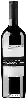
Winery Orso d'OroRosso
 Red wine



This wine generally goes well with pork, vegetarian or poultry.
The Rosso of the Winery Orso d'Oro is in the top 70 of wines of Vino da Tavola.

Wine flavors and olphactive analysis



On the nose the Rosso of Winery Orso d'Oro in the region of Vino da Tavola often reveals types of flavors of non oak, earth or oak and sometimes also flavors of spices, red fruit or black fruit.
Food and wine pairings with Rosso
Pairings that work perfectly with Rosso



Original food and wine pairings with Rosso



The Rosso of Winery Orso d'Oro matches generally quite well with dishes of beef, lamb or veal such as recipes of mexican beef tacos, leg of lamb with herb stuffing or veal escalope with lemon sauce.
Details and technical informations about Winery Orso d'Oro's Rosso.
Discover the grape variety: Sangiovese
Firm, upright reds with precise acidity and angular tannins, showing aromas of sour cherry, plum, dried herbs, leather, black tea and balsamic notes. Characteristically bitter, savoury finish. Star of Chianti Classico DOCG, Brunello di Montalcino DOCG, Vino Nobile di Montepulciano DOCG and Morellino di Scansano. Italy's most planted variety, a descendant of Ciliegiolo × Calabrese di Montenuovo.
Last vintages of this wine
The best vintages of Rosso from Winery Orso d'Oro are 2018, 0
Informations about the Winery Orso d'Oro
The Winery Orso d'Oro is one of of the world's greatest estates. It offers 3 wines for sale in the of Vino da Tavola to come and discover on site or to buy online.

The wine region of Vino da Tavola
The freest category of Italian wine, with no grape or zone constraint. All styles: bold reds based on Bordeaux grapes (Cabernet, Merlot), atypical blends, maker's cuvées outside DOC rules. Historic cradle of the "Super Tuscans" in the 1960s-80s (Sassicaia, Tignanello, Ornellaia) before the creation of IGT in 1992. Today dedicated to everyday wines or winemaker experiments.
The word of the wine: Stopper (taste of)
A defect in the wine reminiscent of the smell and taste of mouldy cork.