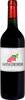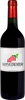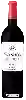
Winery OndarreRioja Crianza
 Red wine


In the mouth this red wine is a powerful with a nice balance between acidity and tannins.
This wine generally goes well with poultry, beef or veal.

Taste structure of the Rioja Crianza from the Winery Ondarre
Light | Bold | |
Smooth | Tannic | |
Dry | Sweet | |
Soft | Acidic |
In the mouth the Rioja Crianza of Winery Ondarre in the region of Rioja is a powerful with a nice balance between acidity and tannins.
Food and wine pairings with Rioja Crianza
Pairings that work perfectly with Rioja Crianza



Original food and wine pairings with Rioja Crianza

The Rioja Crianza of Winery Ondarre matches generally quite well with dishes of beef, lamb or veal such as recipes of spaghetti squash bolognese style, lamb tagine with prunes or osso buco with mushrooms.
Details and technical informations about Winery Ondarre's Rioja Crianza.
Discover the grape variety: Tempranillo
Elegant, structured reds with aromas of strawberry, cherry, plum, leather, blond tobacco and pronounced vanilla from long oak ageing. Ranges from Joven to Crianza, Reserva and Gran Reserva. Star of Rioja DOCa, Ribera del Duero DO and Toro DO, also shines in the Douro as Tinta Roriz/Aragonez. One of the world's most planted Spanish varieties.
Last vintages of this wine
The best vintages of Rioja Crianza from Winery Ondarre are 0
Informations about the Winery Ondarre
The Winery Ondarre is one of of the world's great estates. It offers 39 wines for sale in the of Rioja to come and discover on site or to buy online.

The wine region of Rioja
Star of great Spanish reds: signature Tempranillo, elegant and complex, with notes of ripe cherry, plum, leather, vanilla and tobacco from American oak ageing. Classification by age: fruity Joven, balanced Crianza, ample Reserva, deep, silky Gran Reserva (5 years, 2 in barrel). Some fresh Viura whites and generous rosés. Spain's first DOCa (1991), 3 sub-zones (Alta, Alavesa, Oriental), 93.
The word of the wine: Disgorging (champagne)
This is the evacuation of the deposit formed by the yeasts during the second fermentation in the bottle, by opening the bottle. The missing volume is completed with the liqueur de dosage - a mixture of wine and cane sugar - before the final cork is placed. For some years now, some producers have been replacing this sugar with rectified concentrated musts (concentrated grape juice) which give excellent results. A too recent dosage (less than three months) harms the gustatory harmony of the champagne.