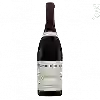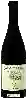
Winery OgierJenard Syrah
 Red wine


In the mouth this red wine is a powerful with a nice balance between acidity and tannins.
This wine generally goes well with beef, veal or pasta.
Taste structure of the Jenard Syrah from the Winery Ogier
Light | Bold | |
Smooth | Tannic | |
Dry | Sweet | |
Soft | Acidic |
In the mouth the Jenard Syrah of Winery Ogier in the region of Languedoc-Roussillon is a powerful with a nice balance between acidity and tannins.
Food and wine pairings with Jenard Syrah
Pairings that work perfectly with Jenard Syrah



Original food and wine pairings with Jenard Syrah
The Jenard Syrah of Winery Ogier matches generally quite well with dishes of beef, pasta or veal such as recipes of quick beef bourguignon, tagliatelle with seafood and saffron cream or venison bourguignon.
Details and technical informations about Winery Ogier's Jenard Syrah.
Discover the grape variety: Limberger
Without much certainty, its origin would be German. It is a very old variety that has been cultivated for a long time in Germany, Austria, Italy, Croatia, Slovenia, the Czech Republic, Slovakia, Hungary, etc. Today, the Limberger is less and less multiplied. It is a direct descendant of the white gouais.
Informations about the Winery Ogier
The Winery Ogier is one of wineries to follow in Languedoc-Roussillon.. It offers 153 wines for sale in the of Languedoc-Roussillon to come and discover on site or to buy online.

The wine region of Languedoc-Roussillon
Languedoc (formerly Coteaux du Languedoc) is a key appellation used in the Languedoc-Roussillon wine region of southern France. It covers Dry table wines of all three colors (red, white and rosé) from the entire region, but leaves Sweet and Sparkling wines to other more specialized appellations. About 75% of all Languedoc wines are red, with the remaining 25% split roughly down the middle between whites and rosés. The appellation covers most of the Languedoc region and almost a third of all the vineyards in France.
The word of the wine: Farm
Wine dominated by a strong acidity and/or biting tannins. In this case, the components of the wine need to melt, i.e. to harmonize during the maturation in the cellar.