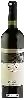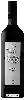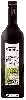
Winery OcucajeFond de Cave Cabernet Sauvignon
 Red wine


This wine generally goes well with poultry, beef or lamb.

Food and wine pairings with Fond de Cave Cabernet Sauvignon
Pairings that work perfectly with Fond de Cave Cabernet Sauvignon



Original food and wine pairings with Fond de Cave Cabernet Sauvignon

The Fond de Cave Cabernet Sauvignon of Winery Ocucaje matches generally quite well with dishes of beef, lamb or spicy food such as recipes of pork shoulder with mustard, lamb tagine with quince or royal couscous (lamb, chicken, merguez).
Details and technical informations about Winery Ocucaje's Fond de Cave Cabernet Sauvignon.
Discover the grape variety: Cabernet-Sauvignon
Structured, tannic reds, deeply coloured, with aromas of blackcurrant, blackberry, cedar, tobacco and graphite, underpinned by firm acidity and fine ageing potential. Cornerstone of the great Médoc estates (Pauillac, Saint-Estèphe, Saint-Julien) and signature of Napa Valley, Coonawarra and Maipo. The world's most planted red variety, a natural cross of Cabernet Franc x Sauvignon Blanc born in Bordeaux.
Last vintages of this wine

The best vintages of Fond de Cave Cabernet Sauvignon from Winery Ocucaje are 0, 2016
Informations about the Winery Ocucaje
The Winery Ocucaje is one of of the world's great estates. It offers 19 wines for sale in the of Ica to come and discover on site or to buy online.

The wine region of Ica
Peruvian region ~300 km south of Lima on the Pacific coast, heart of Pisco. Dry desert climate, draining sandy soils, Andean irrigation. Signature Pisco as national eau-de-vie (no wood ageing) with fresh grape, white flowers, citrus, tropical fruits and muscat notes. Aromatic pisquera varieties (Italia, Moscatel, Albilla, Torontel) and non-aromatic (Quebranta, Negra Criolla, Mollar).
The word of the wine: Vintage
Year of production of a wine, it is usually indicated on the label.