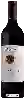
Winery Nocking PointYou're Welcome
 Red wine


This wine generally goes well with

Details and technical informations about Winery Nocking Point's You're Welcome.
Discover the grape variety: Gamay à jus blanc
Supple and fruity reds with a bright ruby colour, silky tannins and a juicy palate with preserved acidity, featuring signature aromas of red fruits (strawberry, raspberry, cherry), floral notes (peony) and banana in carbonic maceration. Drink young or age on the crus. Star of the ten Beaujolais crus (Morgon, Moulin-à-Vent, Fleurie), also grown in Touraine, Bugey and the Romand Switzerland. French black grape (synonym Gamay noir à jus blanc).
Last vintages of this wine
The best vintages of You're Welcome from Winery Nocking Point are 0
Informations about the Winery Nocking Point
The Winery Nocking Point is one of of the world's great estates. It offers 77 wines for sale in the of Walla Walla Valley to come and discover on site or to buy online.

The wine region of Walla Walla Valley
Star of the American north-west straddling Washington and Oregon: signature Cabernet Sauvignon reigns in reds — structured and concentrated with notes of blackcurrant, blackberry, cedar, tobacco and a touch of spice, firm tannins, great ageing potential. Racy, complex Syrah (blackberry, black olive, pepper, smoked meat), supple Merlot, Cabernet Franc and Sangiovese complement. Long season (200 days), hot days and cool nights, loess soils. AVA (1984) within the Columbia Valley.
The wine region of Washington
2nd US producer by volume, on the arid, sunny Columbia Valley. Star Cabernet Sauvignon (~60% of reds): powerful and structured with signature notes of blackcurrant, blackberry, cedar, dry herbs and graphite, firm tannins. Fleshy, peppery Syrah (black fruits, smoked meat). Round, fruity Merlot, historic mineral Riesling (dry and off-dry), precise Chardonnay and ample Sémillon.
The word of the wine: Organic (agriculture)
A type of agriculture (and therefore viticulture) based on respect for living organisms and biological cycles, and which excludes the use of synthetic treatment products and synthetic fertilizers. Organic farming is guaranteed by the respect of a set of specifications.