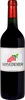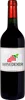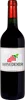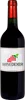
Winery Nobile delle RocchePinot Grigio
 White wine


In the mouth this white wine is a .
This wine generally goes well with vegetarian, shellfish or mushrooms.

Taste structure of the Pinot Grigio from the Winery Nobile delle Rocche
Light | Bold | |
Dry | Sweet | |
Soft | Acidic |
In the mouth the Pinot Grigio of Winery Nobile delle Rocche in the region of Abruzzo is a .
Food and wine pairings with Pinot Grigio
Pairings that work perfectly with Pinot Grigio



Original food and wine pairings with Pinot Grigio

The Pinot Grigio of Winery Nobile delle Rocche matches generally quite well with dishes of shellfish, vegetarian or mushrooms such as recipes of cuttlefish rust, nanie's diced ham quiche or sturgeon with chanterelles.
Details and technical informations about Winery Nobile delle Rocche's Pinot Grigio.
Discover the grape variety: Muscat bleu
Aromatic and fruity reds with a deep ruby colour, soft tannins and a light palate with preserved acidity, featuring signature muscat aromas (rose, fresh grape), red fruits and flowers. Early ripening and disease resistant. Grown mainly in Switzerland, Germany and the United Kingdom in northern and amateur vineyards, producing original muscat-style red wines. Swiss black hybrid variety obtained in 1932 by complex crossing.
Last vintages of this wine
The best vintages of Pinot Grigio from Winery Nobile delle Rocche are 2015, 0, 2017
Informations about the Winery Nobile delle Rocche
The Winery Nobile delle Rocche is one of of the world's greatest estates. It offers 8 wines for sale in the of Abruzzo to come and discover on site or to buy online.

The wine region of Abruzzo
Accessible, identity-driven Italian duo. Montepulciano d'Abruzzo as red: deep colour, intense aromas of black cherry, ripe plum, sweet spices and balsamic notes, round tannins and a gourmet finish, from everyday to age-worthy Riserva. Cerasuolo d'Abruzzo DOCG as a fleshy, fruity rosé (strawberry, pomegranate). Trebbiano d'Abruzzo as a straight white with citrus and white flowers, sublimated by a few cult producers (Valentini).
The word of the wine: Blanc de blancs (champagne)
Champagne made only from the Chardonnay grape. The expression has been somewhat overused by the intensive use made of it by certain large distributors of white table wines (or sparkling wines) who were thus seeking to promote their product.