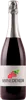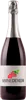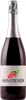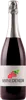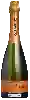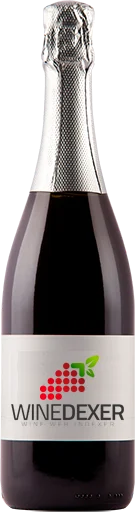
Winery 1913Rosé Brut
 Sparkling wine


This wine is a blend of 2 varietals which are the Pinot noir and the Riesling.
In the mouth this sparkling wine is a with a nice vivacity and a fine and pleasant bubble.
This wine generally goes well with pork, rich fish (salmon, tuna etc) or shellfish.

Taste structure of the Rosé Brut from the Winery 1913
Light | Bold | |
Soft | Acidic | |
Gentle | Fizzy |
In the mouth the Rosé Brut of Winery 1913 in the region of Rio Grande do Sul is a with a nice vivacity and a fine and pleasant bubble.
Food and wine pairings with Rosé Brut
Pairings that work perfectly with Rosé Brut



Original food and wine pairings with Rosé Brut
The Rosé Brut of Winery 1913 matches generally quite well with dishes of pork, rich fish (salmon, tuna etc) or shellfish such as recipes of endives with ham (improved), pasta with tuna and tomato sauce or pasta with scampi.
Details and technical informations about Winery 1913's Rosé Brut.
Discover the grape variety: Pinot noir
Elegant reds, light in colour with silky tannins, showing strawberry, cherry and raspberry aromas, evolving to forest floor, mushroom and spice with age. Fresh acidity, delicate finish. Star of the Côte d'Or (Romanée-Conti, Chambertin, Volnay), pillar of Champagne (Blanc de Noirs) and signature of Oregon, Central Otago and Sonoma Coast. An early-ripening Burgundian variety, one of the world's greatest.
Last vintages of this wine

The best vintages of Rosé Brut from Winery 1913 are 2019, 0
Informations about the Winery 1913
The Winery 1913 is one of of the world's greatest estates. It offers 2 wines for sale in the of Rio Grande do Sul to come and discover on site or to buy online.

The wine region of Rio Grande do Sul
Brazil's winemaking heart (~80% of production), Italian tradition. Recognised specialty: traditional-method sparkling wines (espumantes), fresh and fruity, based on Chardonnay and Pinot Noir, among South America's finest. Accessible reds: supple, fruity Merlot (plum, cherry), fleshy Cabernet Sauvignon, dense, tannic Tannat. Round Chardonnay, light Riesling Italico, sweet, floral Moscato whites.
The word of the wine: Aqueous
Said of a diluted wine for which one has the impression that water has been added.