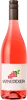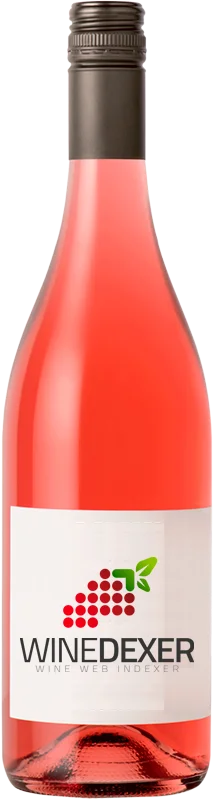
Winery Nikos GavalasEfivos Rosé
 Pink wine



This wine generally goes well with
The Efivos Rosé of the Winery Nikos Gavalas is in the top 40 of wines of Crete.
Wine flavors and olphactive analysis

Details and technical informations about Winery Nikos Gavalas's Efivos Rosé.
Discover the grape variety: Gros Cabernet
A very old variety grown in the Bordeaux region, where it originated. It is the result of a natural intraspecific cross between iron and black txakoli, although this has yet to be confirmed, especially as the latter has the same synonym (h)ondarrabi beltza, which is also attributed to cabernet franc. According to genetic analyses carried out in Montpellier (Hérault), gros Cabernet is the mother of carmenère. Almost unknown in other French wine regions, gros Cabernet is no longer replanted and is therefore in danger of disappearing. It can sometimes be found in isolated strains in very old vines, in Germany, in the south of Australia, and can now be found in wine conservatories in the south-west of France, ... .
Last vintages of this wine
The best vintages of Efivos Rosé from Winery Nikos Gavalas are 2014, 2017, 0
Informations about the Winery Nikos Gavalas
The Winery Nikos Gavalas is one of of the world's greatest estates. It offers 16 wines for sale in the of Crete to come and discover on site or to buy online.

The wine region of Crete
The wine region of Crete of Greece. Wineries and vineyards like the Domaine Lyrarakis or the Domaine Economou (Oikonomoy) produce mainly wines white, red and pink. The most planted grape varieties in the region of Crete are Vidiano, Vilana and Cabernet-Sauvignon, they are then used in wines in blends or as a single variety. On the nose of Crete often reveals types of flavors of red fruit, cocoa or raisin and sometimes also flavors of mushroom, red cherry or red fruit.
The word of the wine: Malolactic fermentation
Called second fermentation or malo for short. It is the degradation (under the effect of bacteria) of the malic acid naturally present in the wine into milder, less aggressive lactic acid. Some producers or wineries refuse this operation by "blocking the malo" (by cold and adding SO2) to keep a maximum of acidity which carries the aromas and accentuates the sensation of freshness.